Now Reading: Cyclone Challenges for Coastal Regions: What to Know
-
01
Cyclone Challenges for Coastal Regions: What to Know
Cyclone Challenges for Coastal Regions: What to Know

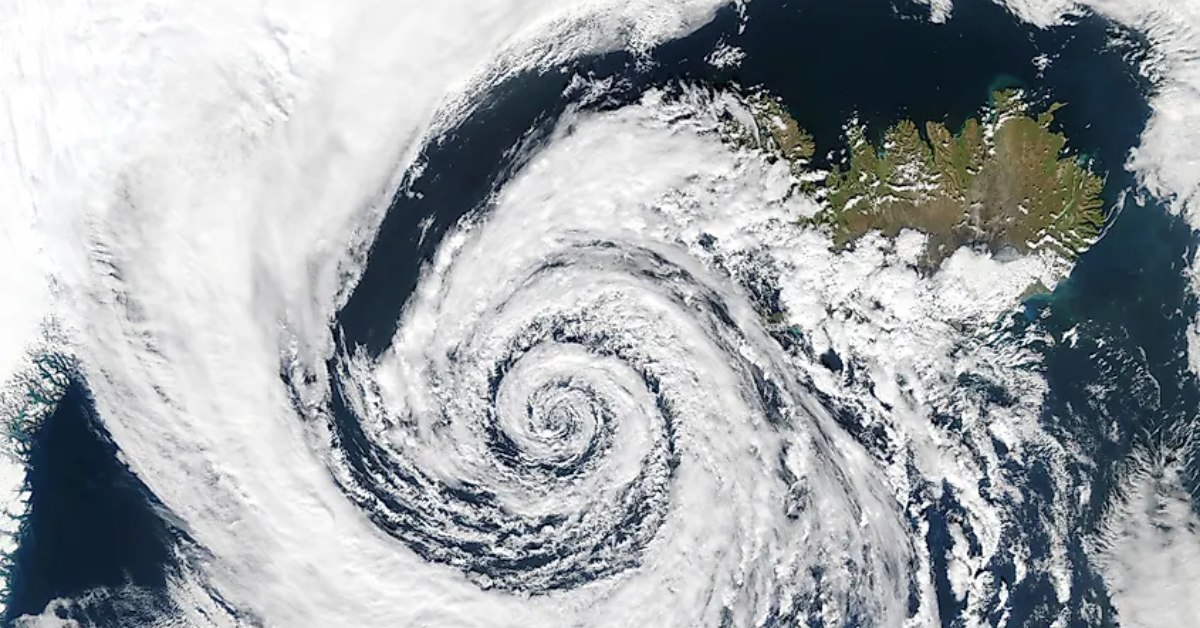
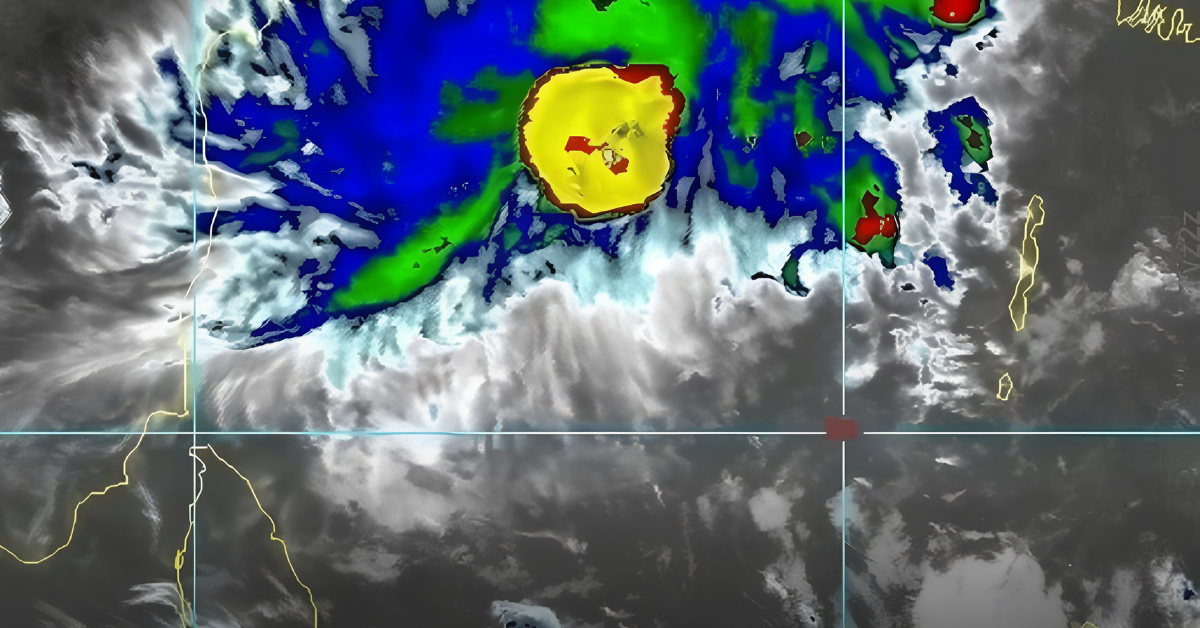
Cyclones are a familiar threat along India’s eastern coastline, but changing climatic conditions can make them harder to predict and manage. With Cyclone Akwan expected to cross the coast, here are the challenges coastal regions face when a cyclone approaches, and why preparedness and coordination matter more than ever.
Cyclone Challenges for Coastal Regions: What to Know
1. Unpredictability And Challenges To Early Warning Systems
When favourable atmospheric and oceanic conditions come together, cyclones can intensify rapidly within a short period. This can make predicting their intensity, movement and impact challenging, placing additional pressure on early warning systems.
2. Increased Pressure On Disaster Management Teams
Uncertainty surrounding a cyclone’s intensity can make disaster preparedness more difficult. Authorities may have to deal with rapidly changing situations, while the possibility of prolonged adverse weather means disaster management teams must remain operational for extended periods, even after landfall.
3. Infrastructure Damage And Disruption To Everyday Life
Cyclones and infrastructure damage often go hand in hand. However, their impact extends beyond damaged buildings and uprooted trees. Waterlogging, disruption to transportation, crop losses and prolonged power cuts can significantly affect everyday life.
These disruptions can also have serious consequences, including fatalities caused by electrocution, injuries from falling trees and accidents during unsafe travel. Damage to roads and other essential infrastructure can further delay emergency response and restoration efforts.
The economic impact is equally concerning. Disruptions to agricultural activities and supply chains can lead to an increase in the prices of essential commodities, particularly vegetables and similar food items.
Additionally, workplaces must have proper guidelines in place to ensure employees can work from home during extreme weather conditions rather than being expected to commute through dangerous conditions.
4. The Importance Of Public Awareness And Evacuation
While the government has done a commendable job during Cyclone Arnab in evacuating people living in low-lying and cyclone-prone regions, awareness must translate into action. Following official advisories and evacuation instructions is just as important as receiving them.
Not everyone has access to social media or timely updates, particularly elderly people living in vulnerable areas. Some may underestimate the impact of a cyclone or refuse to evacuate because they are concerned about leaving their homes and belongings unattended. Such decisions can put their lives at considerable risk.
This highlights the need for awareness campaigns that reach beyond digital platforms and ensure that vulnerable communities understand the importance of safety measures.
5. Rethinking Urban Planning And Coastal Infrastructure
Infrastructure must be designed not just to withstand conventional cyclones but also to account for the possibility of more intense weather events.
Essential infrastructure such as drainage systems, roads, power networks and telecommunications must be strengthened to minimise disruptions during extreme weather conditions.
Providing adequate shelter to large populations within a short period can also become a challenge, particularly when a cyclone intensifies beyond initial expectations. This makes it necessary to have well-equipped rehabilitation centres and clearly defined evacuation plans in place.
Better coordination between concerned authorities is equally important to ensure timely communication and an effective response.
6. Strengthening Research And Combating Misinformation
The relationship between El Niño and cyclone behaviour is complex, and there is still much to understand about how different atmospheric conditions interact, particularly over the Indian Ocean.
Strengthening observational research, improving weather prediction models and investing in better data collection can help bridge existing knowledge gaps. This is particularly important for countries like India, where millions of people live along vulnerable coastlines.
While the government has a responsibility to communicate accurate information, the common man also has a role to play. Educating people around us, following official advisories and refraining from circulating unverified information can prevent unnecessary panic and confusion during an emergency.
While scientific advancements can help us improve forecasting and preparedness, the effectiveness of these efforts in tackling cyclone challenges ultimately depends on how well authorities, communities and individuals work together.
Also read: National Epilepsy Day: 5 Common Myths About Epilepsy Debunked
Stay tuned to Yo! Vizag website and Instagram for more city and news updates.