
Now Reading: 5 weird facts about Idlis, the classic breakfast of Visakhapatnam
-
01
5 weird facts about Idlis, the classic breakfast of Visakhapatnam
5 weird facts about Idlis, the classic breakfast of Visakhapatnam
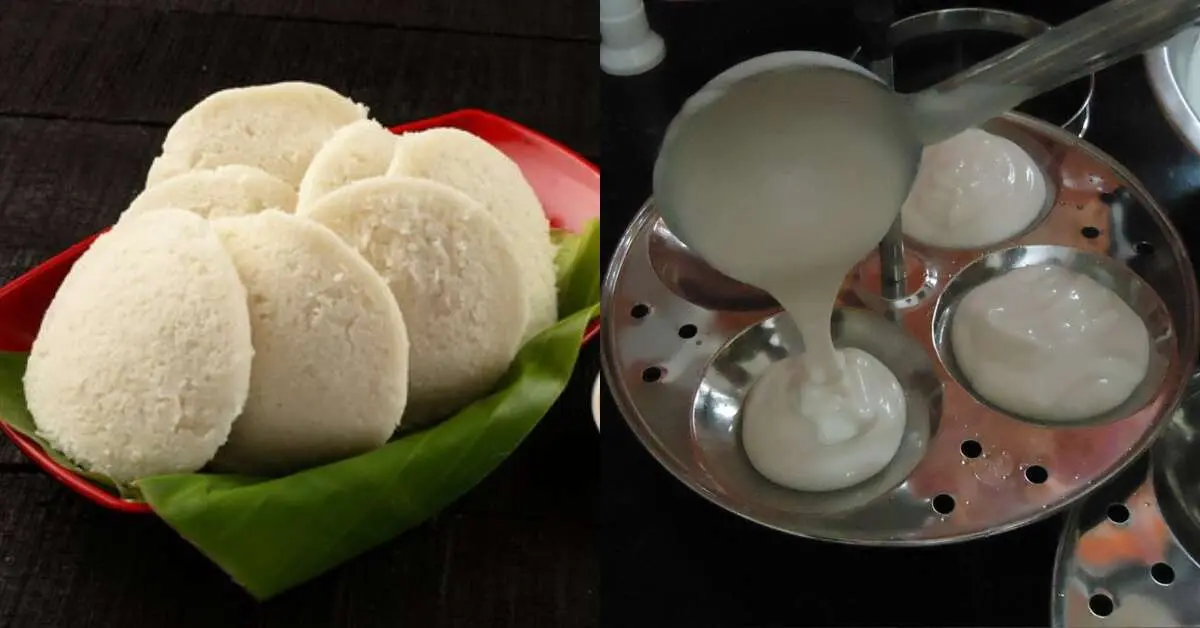
For most people in Vizag and across South India, idli is a comfort breakfast food. Soft and fluffy, idlis are usually enjoyed with chutney and sambar. In essence, they are quite simple, but beyond this humble appearance lies a fascinating history and some rather unusual facts. Here are five weird and wonderful things you probably didn’t know about this dish.
1. The first known record of idlis goes back to 1130 AD

Today, idlis are typically eaten with coconut chutney and sambar.
The history of idlis dates back nearly a thousand years. According to food historian and scientist KT Achaya, the word ‘idli’ comes from ‘iddalige.’ The earliest mention of the dish was in Vaddaradhane by Sivakotyacharya in AD 920, a Kannada literary work.
Later, in AD 1130, a Sanskrit encyclopedic text called Manasollasa referred to it as ‘iddarika’ . The description as transcribed tells us that idlis of back then were made of fine urad flour, shaped into small balls, and spiced with pepper powder, cumin powder, and asafoetida.
2. Confusing international origins

At home, the preparation is done in steel steamers, which are put into pressure cookers.
It is a favourite Vizag breakfast dish, but where exactly did idlis come from? What is its history? The debate is still ongoing. KT Achaya connects the idli to an Indonesian dish called kedli, a fermented food that bears similarities to it. He suggests that South Indian cooks who worked with Indonesian cuisine in the royal kitchens there may have brought back fermentation practices when they returned home, giving rise to idlis.
However, other historians differ. Author Lizzie Collingham, for example, believes idlis can be traced to Arab traders who settled on India’s southern coast. Unsure of finding halal food, they chose simple steamed rice balls with coconut chutney. Interestingly, the signature mix of rice and urad dal seems to have appeared much later, possibly evolving within South India itself.
3. Rava idli was a wartime invention

Rava Idli
One of the most popular variations of idli, the Rava idli, was actually born out of scarcity, goes an interesting claim. During World War II, rice supplies ran short, forcing cooks at the Mavalli Tiffin Rooms (MTR) in Bengaluru (founded in 1924) to innovate. They experimented with semolina (rava) as a substitute, and the now-beloved Rava idli came into being. What began as a necessity has since become a staple on South-Indian cuisine menus.
4. Idlis have been to space before you

Served with sambar powder and coconut chutney on the side, these tiny idlis, about the size of Rs. 2 coins, helped astronauts enjoy a taste of home while orbiting far away.
5. They went all out for the first World Idli Day party

Idli-Vada is a popular breakfast combination favoured by many.
Who would have thought this humble dish would have its own day of celebration? A Chennai-based idli caterer named Eniyavan was the first to popularise the idea of dedicating a day to idlis.
On 30 March 30 2015, he prepared a staggering 1,328 varieties of idlis and even made a giant 44-kilogram idli that was cut by a government official. Thanks to his efforts, 30 March now goes down as World Idli Day in history!
A comforting breakfast dish in Vizag, idli is a classic staple in South Indian cuisine. However, the steamed dish is not as simple as it looks! From having mysterious origins to achieving space travel, these facts about Idlis tell us just how interesting its lore is!
Read also: Where to find the best of Chettinad cuisine in Vizag
Stay tuned to Yo! Vizag website and Instagram for more such articles.