Now Reading: World Science Day 2026: How Vizag Is Shaping Innovation
-
01
World Science Day 2026: How Vizag Is Shaping Innovation
World Science Day 2026: How Vizag Is Shaping Innovation

Physicist and Nobel laureate C. V. Raman once observed, “In the history of science, we often find that the study of some natural phenomenon has been the starting point in the development of a new branch of knowledge.” This idea captures how curiosity can lead to discoveries that change the way we understand the world. Visakhapatnam has its share of scientists and researchers whose contributions have furthered our understanding of nature. As we celebrate World Science Day for Peace and Development on November 10, it is worth looking back at some of these contributions and exploring how the city continues to participate in scientific progress.
World Science Day 2026: How Vizag Is Shaping Innovation
Why Do We Celebrate World Science Day?

Science influences almost every aspect of our daily lives, from healthcare and communication to transportation and environmental conservation. World Science Day highlights the role of science in building sustainable societies while encouraging scientific cooperation, public awareness and the sharing of knowledge.
In India, this idea is closely connected to the development of scientific temper, which is enshrined as a Fundamental Duty under Article 51A(h) of the Constitution. This involves observing, questioning, forming hypotheses, examining evidence and being willing to reconsider established beliefs when facts demand it.
Scientists Associated With Visakhapatnam Worth Remembering
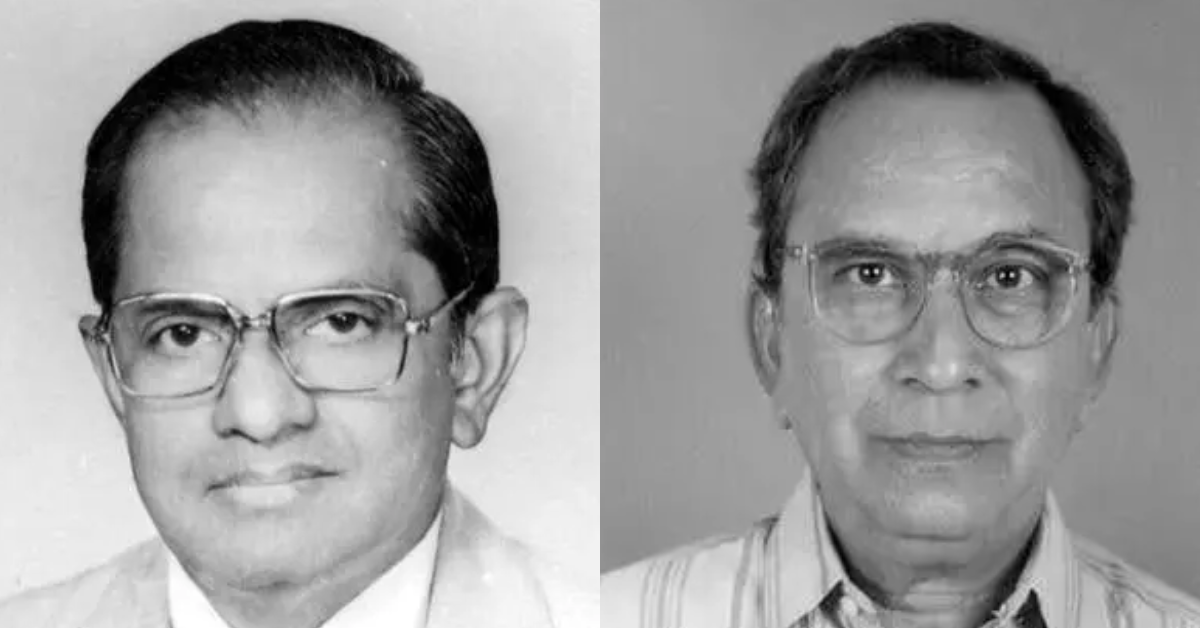
Left: Barry Ramachandra Rao; Right: B. L. K. Somayajulu
When discussing scientific contributions associated with Vizag, several names deserve recognition. Among them is K. S. R. Krishna Raju, an ornithologist who conducted extensive research and bird surveys in the Eastern Ghats of the Visakhapatnam region. His work helped document the area’s avian diversity and contributed to our understanding of its bird populations.
Barry Ramachandra Rao, a physicist and recipient of the Shanti Swarup Bhatnagar Award, made significant contributions to space physics, radio physics and ultrasonics. His research included the study of light diffraction and the behaviour of ultrasonic waves in liquids and solids.
B. L. K. Somayajulu, a geochemist, contributed to the study of marine processes, oceanography and geochronology. His research helped advance our understanding of the chemical processes that shape the oceans and the Earth.
Another notable name is B. S. Daya Sagar, whose academic journey began at Andhra University in Visakhapatnam. A mathematical geoscientist, his work focuses on mathematical morphology, remote sensing, geospatial data and the modelling of terrestrial patterns and processes.
These scientists represent different branches of knowledge, but their work shares a common thread: the pursuit of a better understanding of the world around us.
Innovations That Continue To Shape Visakhapatnam
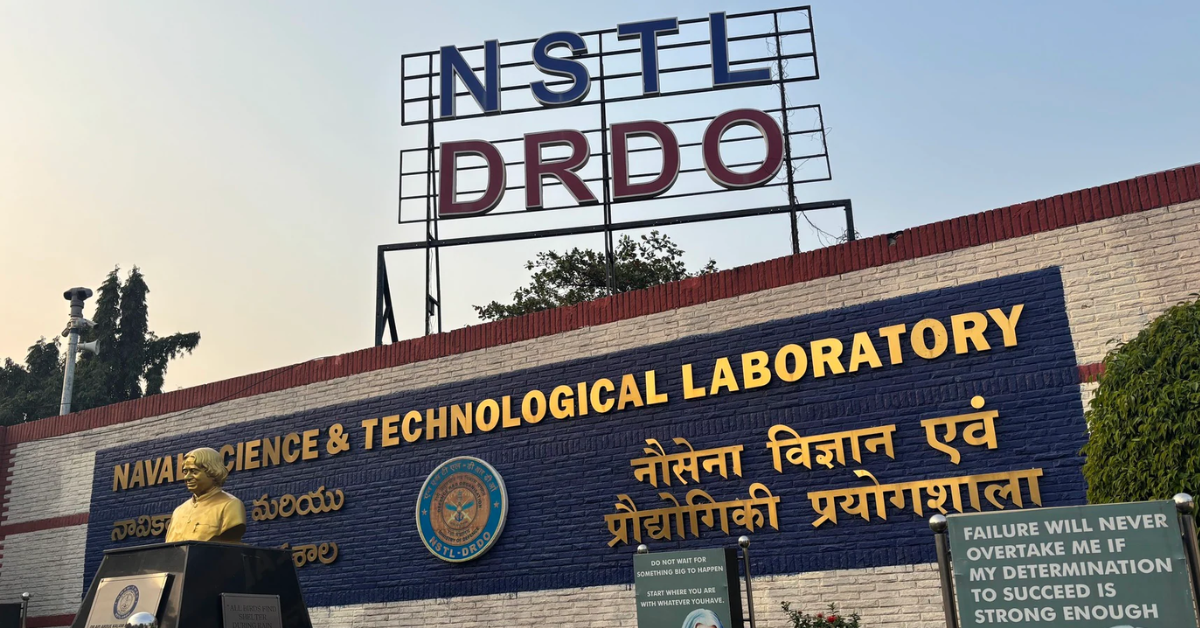
Visakhapatnam’s contribution to science is not limited to individual researchers. The city is also home to institutions working on technologies with applications in defence, marine research and other fields.
One such institution is the Naval Science and Technological Laboratory (NSTL), a DRDO laboratory, which has contributed to the development of indigenous underwater defence technologies, including Varunastra, a heavyweight torpedo, Shyena, an advanced lightweight torpedo, and multi-influence ground mines. Its work also extends to underwater vehicles, hydrodynamic testing and technologies for naval platforms.
The city is also part of India’s growing research and manufacturing ecosystem: The Department of Atomic Energy, which established a Rare Earth Permanent Magnet plant to manufacture samarium-cobalt magnets. These magnets have applications in strategic sectors, including defence and atomic energy.
Visakhapatnam’s Growing Role In Applied Science
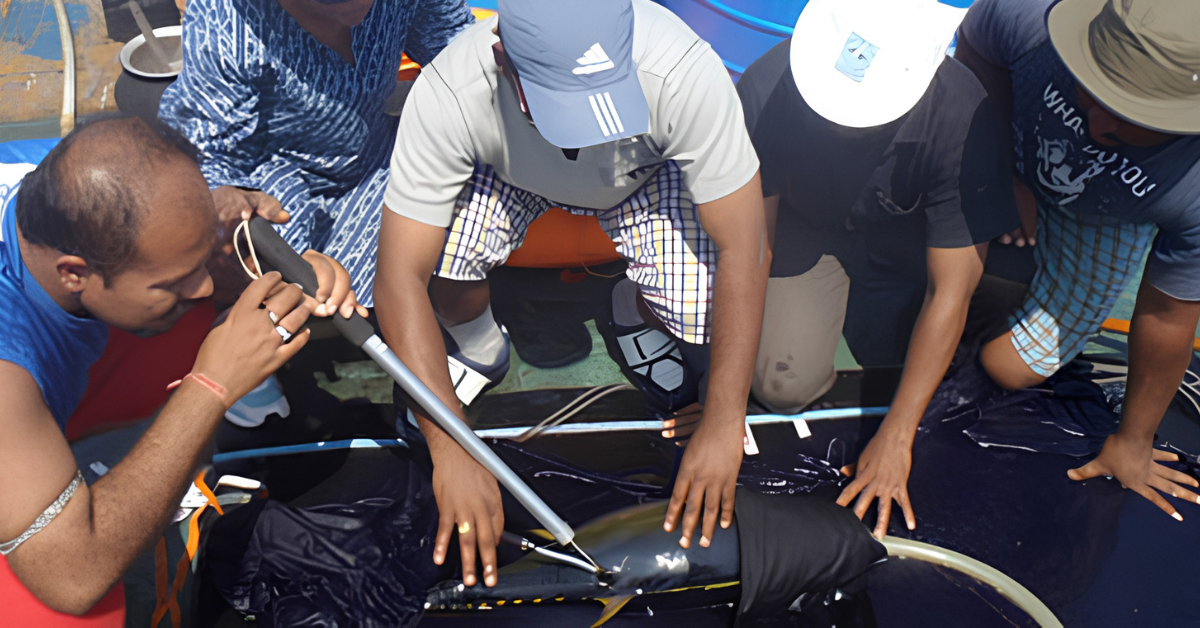
Yellowfin tuna tagged with pop-up satellite tags at ICAR-CMFRI
Moving into the 21st century, scientific research associated with the city is increasingly focused on practical applications. Healthcare technologies, marine research, environmental monitoring and cleaner energy are among the areas where innovation can make a difference. However, the challenge ahead is to ensure that these innovations move beyond laboratories and reach the communities that can benefit from them.
World Science Day for Peace and Development calls for greater public participation in science, international cooperation and equitable access to scientific knowledge. These objectives are closely aligned with the United Nations Sustainable Development Goals, which seek to address poverty, hunger, health, education and environmental sustainability.
For Visakhapatnam, the opportunity lies in building on its existing scientific institutions, recognising the contributions of its researchers and encouraging the next generation to question, explore and innovate.
Also read: Women’s Safety: A Discourse – Voice of Vizag
Stay tuned to Yo! Vizag website and Instagram for more such articles.