Now Reading: National Press Day: Tracing Visakhapatnam’s Press Legacy
-
01
National Press Day: Tracing Visakhapatnam’s Press Legacy
National Press Day: Tracing Visakhapatnam’s Press Legacy
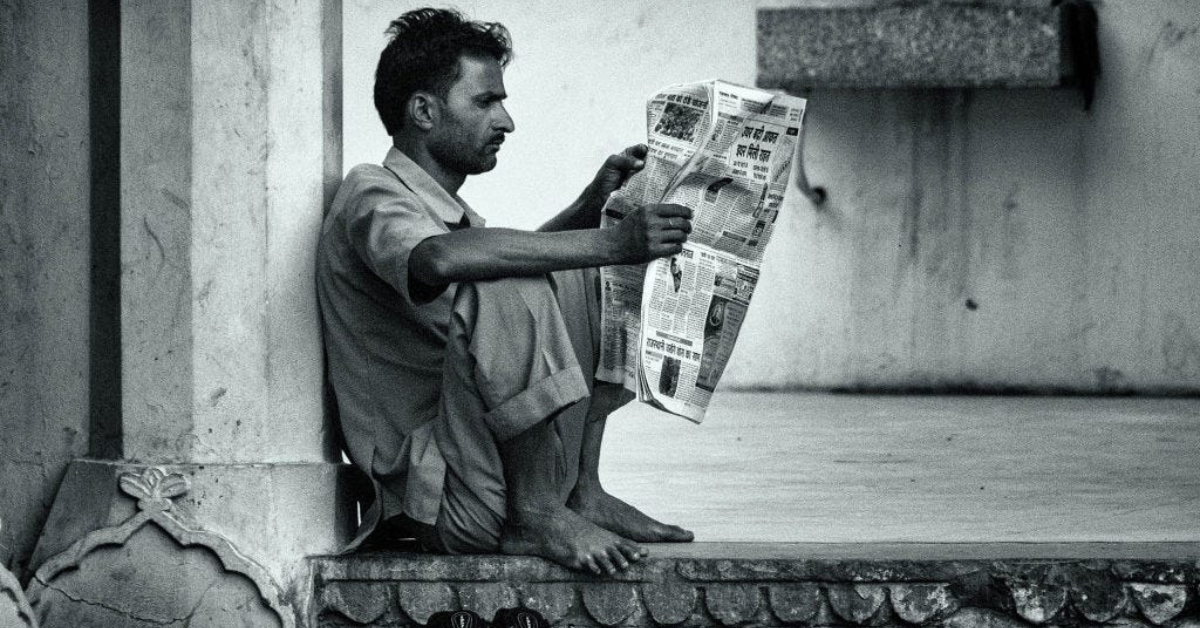
National Press Day in India is observed nationwide on 16th November, and this year marks the 60th Anniversary of the Press Council of India (PCI), which was established in 1966 under the orders of the Parliament of India. PCI is an autonomous, statutory, and quasi-judicial body often considered the fourth pillar of democracy while protecting press freedom and holding newspapers to high professional standards. For Visakhapatnam, the occasion also has a special resonance as the city’s relationship with the press has been one for history while continuing to uphold its legacy even now.
National Press Day: Tracing Visakhapatnam’s Press Legacy
When did it begin in Visakhapatnam?

It is said, and various reports state, that the first printing press was set up in Vizagapatam in 1840 during the British East India Company’s Colonial rule. It was introduced by European missionaries, including the London missionary Society, who wanted to print and circulate Telugu literature across the then Andhra Region and more. Until then, the Telugu Scriptures were sent for printing to Madras or Serampore.
Eenadu, Vizag’s own daily newspaper
Vizag had a problem of delayed news for its readers up until the 1970s, as the major newspapers Andhra Jyothi and Andhra Prabha were printed in Hyderabad & Vijayawada and then sent by rail, which could only reach Vizag by evening; hence the delayed news. Ramoji Rao Garu saw this gap and launched the Telugu Daily ‘Eenadu’ from Visakhapatnam with their own press. It has become a household name since then and has a legacy like no other daily, whether it’s for the community of press or the readers.
Writers who shaped the legacy
Sri Sri, born in Visakhapatnam, was a revolutionary poet and a working journalist at Andhra Prabha during the late 1930s and wrote columns, essays, and translations that connected literature with progressive journalism.
Similarly, Gurujada Apparao campaigned for social reforms using print journals. He is also known to have mastered vyavaharika Telugu bhasha, or spoken Telugu, which changed the way Telugu was written and read.
Gollapudi Maruti Rao, hailing from Vizianagaram and having done his BSc from Andhra University, started his career in the newsroom of Andhra Prabha and has also written many plays, essays, and scripts for cinema, and then became a celebrated name in Telugu cinema and literature.
The Work Continues

Today, the Visakhapatnam Journalists’ Forum (VJF) Press Club is the city’s media nerve centre. It is the usual venue where politicians, unions, activists and visiting dignitaries hold press conferences. The forum also runs workshops, ethics awareness camps with the Andhra Pradesh Press Academy and welfare programmes for reporters.
As the Press Council turns 60, it is worth remembering that a free press depends on the people who keep showing up to write the first draft of the city’s history and the reader’s faith in the press.
Also read: World Science Day 2026: How Vizag Is Shaping Innovation
Stay tuned to Yo! Vizag website and Instagram for more such articles.