Now Reading: 10 common myths about novel coronavirus debunked by WHO
- 01
10 common myths about novel coronavirus debunked by WHO
10 common myths about novel coronavirus debunked by WHO
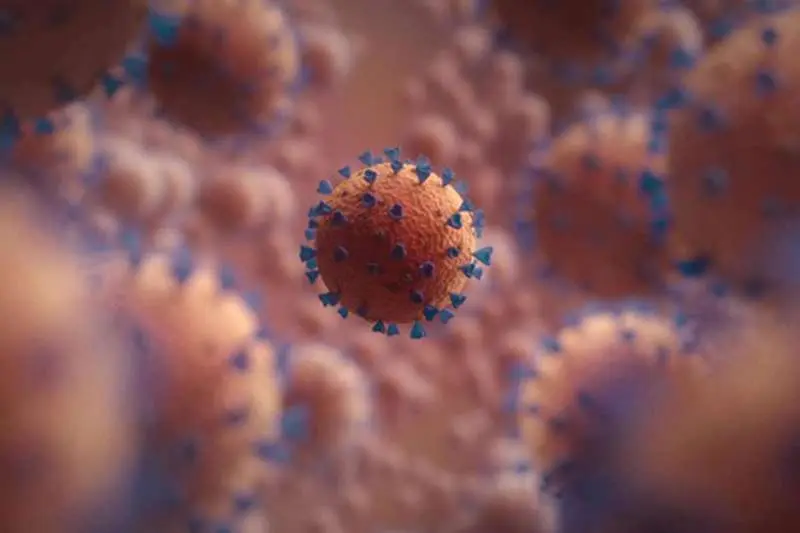
The novel coronavirus continues to stifle the world. Claiming close to 5 lakh lives and infecting more than 9.6 million people around the world, the WHO-declared pandemic has been challenging governments to contain its spread. Ever since the virus first made its presence felt, there has been no shortage of baseless claims and frivolous social media theories claiming preventive measures against COVID-19. As witnessed over the past few months, the need of the hour is to battle misinformation, rumors, and myths. In an effort to achieve the same, the WHO has provided clarifications on several commonly circulated myths on the novel coronavirus. Here, we take a look at 10 such myths on the coronavirus that have been debunked by WHO.
Common myths about the novel coronavirus:
Myth #1: COVID-19 is caused by bacteria
The virus that causes COVID-19 is in a family of viruses called Coronaviridae. Antibiotics do not work against viruses. Some people who become ill with COVID-19 can also develop a bacterial infection as a complication. In this case, antibiotics may be recommended by a health care provider.
Myth #2: Coronavirus can be detected through thermal scanning
According to the WHO, this statement is false. Thermal scanners cannot detect coronavirus. They are only effective in identifying people with high temperature and fever. People experiencing the specified symptoms are advised to seek medical care.
Myth #3: Consuming bleach will disinfect the body
Ingestion of bleach and any other disinfectant is dangerous. These substances can be poisonous if ingested and cause irritation and damage to your skin and eyes. Bleach and disinfectant should be used carefully to disinfect surfaces only.
Myth #4: Heat can beat COVID-19
WHO has clearly stated that people in hot regions can also be affected by COVID-19. The likelihood of getting COVID-19 symptoms can be eliminated through a practice of good personal hygiene and social distancing.
Myth #5: UV radiation can disinfect hands
As per WHO, Ultra-Violet lamps should not be used to disinfect hands or other areas of the skin. UV radiation can cause skin irritation and damage your eyes.
Myth #6: 5G mobile network leads to the spread of the virus
This myth has been debunked by the fact that countries without a 5G mobile network have also been affected by COVID-19. Viruses cannot travel on radio waves/mobile networks, WHO states.
Myth #7 Houseflies and mosquitoes can transmit the novel coronavirus
There has been evidence to suggest that houseflies and mosquitoes can transmit the novel coronavirus. The new coronavirus is a respiratory virus which spreads primarily through droplets generated when an infected person coughs or sneezes, or through droplets of saliva or discharge from the nose.
Myth #8: Rising nose with saline protects you from being infected
There is no evidence that suggests rinsing your nose with saline prevents you from being affected by COVID-19. There is some limited evidence that regularly rinsing nose with saline can help people recover more quickly from the common cold. However, regularly rinsing the nose has not been shown to prevent respiratory infections.
Myth #9: Antibiotics are effective in preventing and treating the new coronavirus
Antibiotics are used for treating illnesses caused by bacteria and not viruses. Hence, taking antibiotics is not advised for COVID-19. The new coronavirus (2019-nCoV) is a virus and, therefore, antibiotics should not be used as a means of prevention or treatment. However, if you are hospitalized for the 2019-nCoV, you may receive antibiotics because bacterial co-infection is possible.
Myth #10: Recovery from COVID-19 is not possible
Most of the people who catch COVID-19 can recover and eliminate the virus from their bodies. If you catch the disease, make sure you treat your symptoms. If you have cough, fever, and difficulty breathing, seek medical care early – but call your health facility by telephone first. Most patients recover thanks to supportive care.
Information Credits: World Health Organisation