Now Reading: Travel to the City of Love: A Complete Vizag to Agra Guide!
- 01
Travel to the City of Love: A Complete Vizag to Agra Guide!
Travel to the City of Love: A Complete Vizag to Agra Guide!
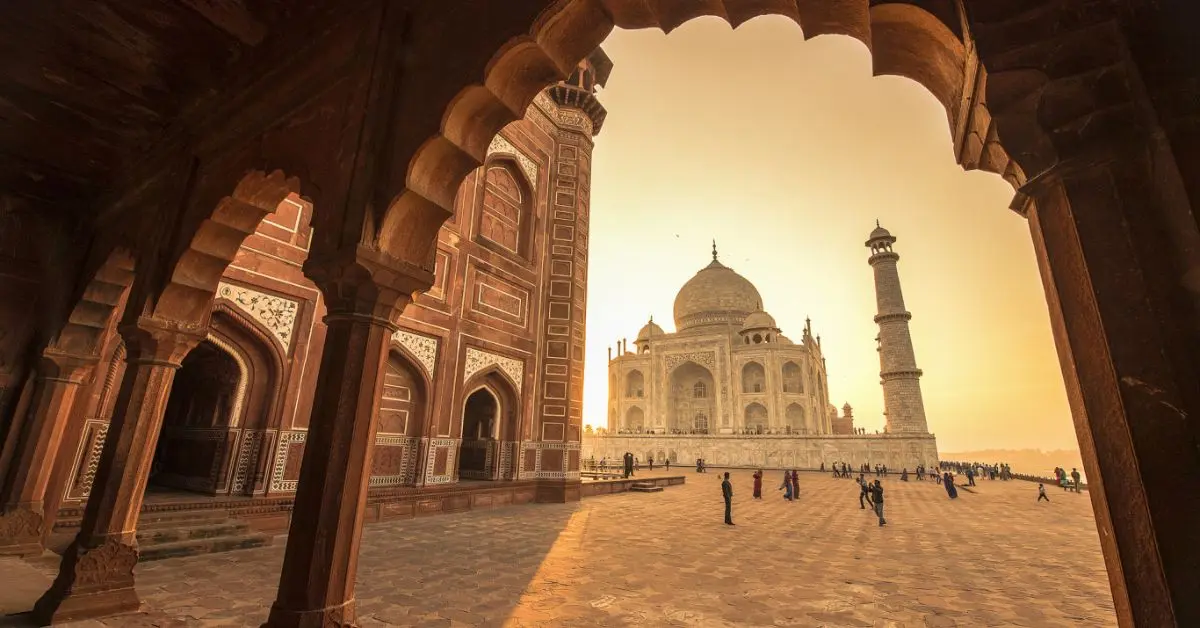
The Best Travel Guide from Vizag to Agra, the City of Love!
Commute:
Stay
Tourist Attractions:
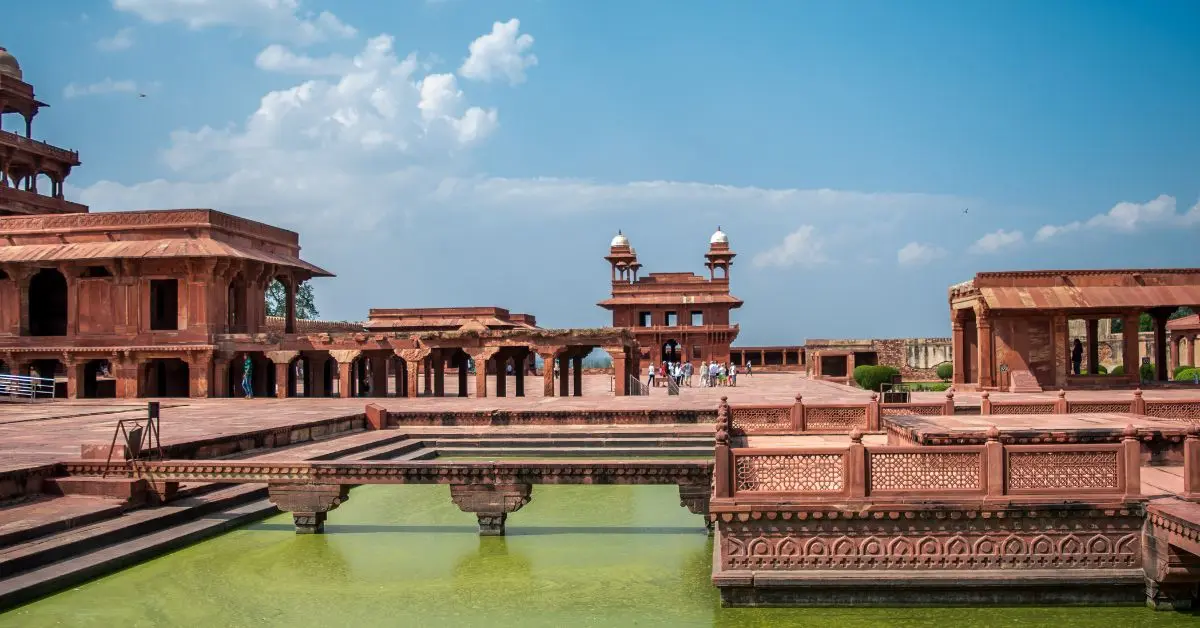
Fatehpur Sikri
Situated near Agra, this town is popularly known as the Ghost Town. This city stands as a time capsule of Akbar’s ambitions and the Indo-Mughal architecture. Akbar had built this city to make it the capital, building clusters of red sandstone buildings and magnificent architecture and majestic detailing, and designs. But after 14 years of serving as the capital, the city was abruptly abandoned due to the water shortage and lack of water supply means. This town includes the Buland Darwaza, Jama Masjid, and Tomb of Salim Chishti.
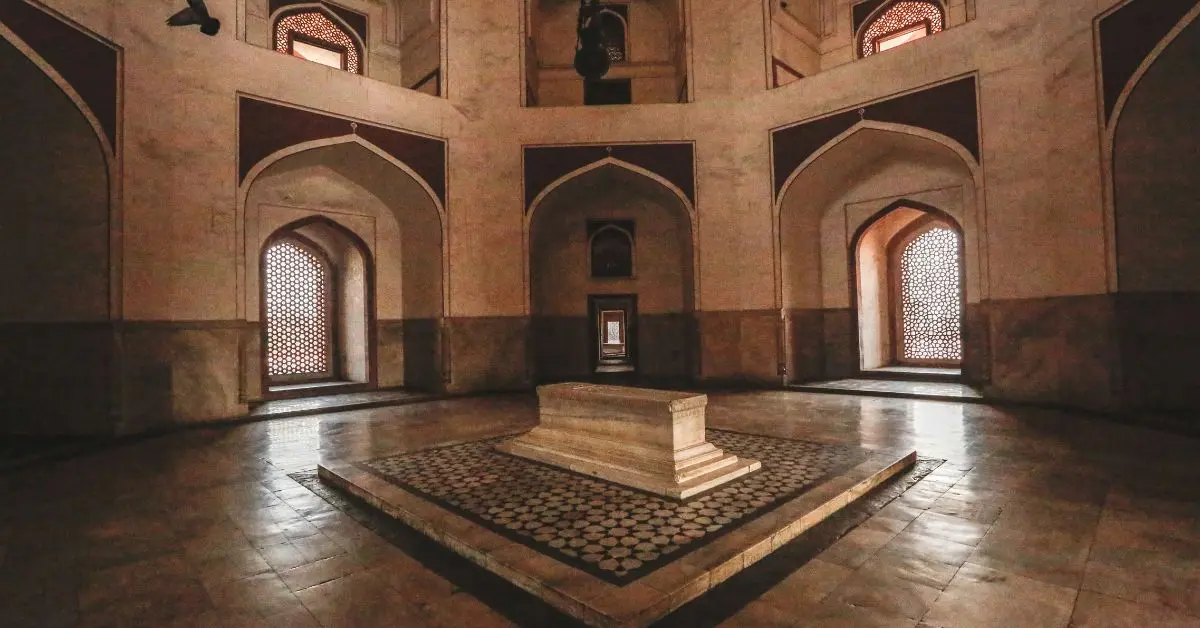
Humayun’s Tomb
This magnificent mausoleum was commissioned by Humayun’s senior Widow, Bega Begum. This architecture is one of its kind, as it’s the first garden tomb and houses the graves of many other Mughal royals.
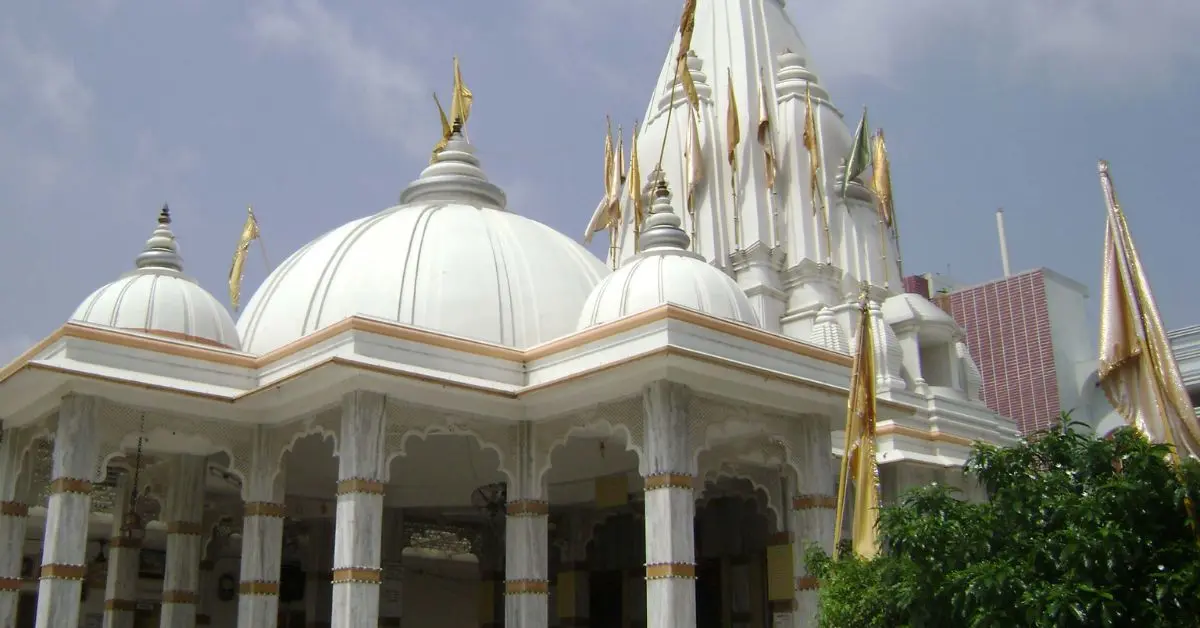
Shree Khatu Shyam Ji Mandir
Replicated after the original Khatu Shyam temple in Rajasthan, this temple is dedicated to lord Krishna’s Barbarika form.
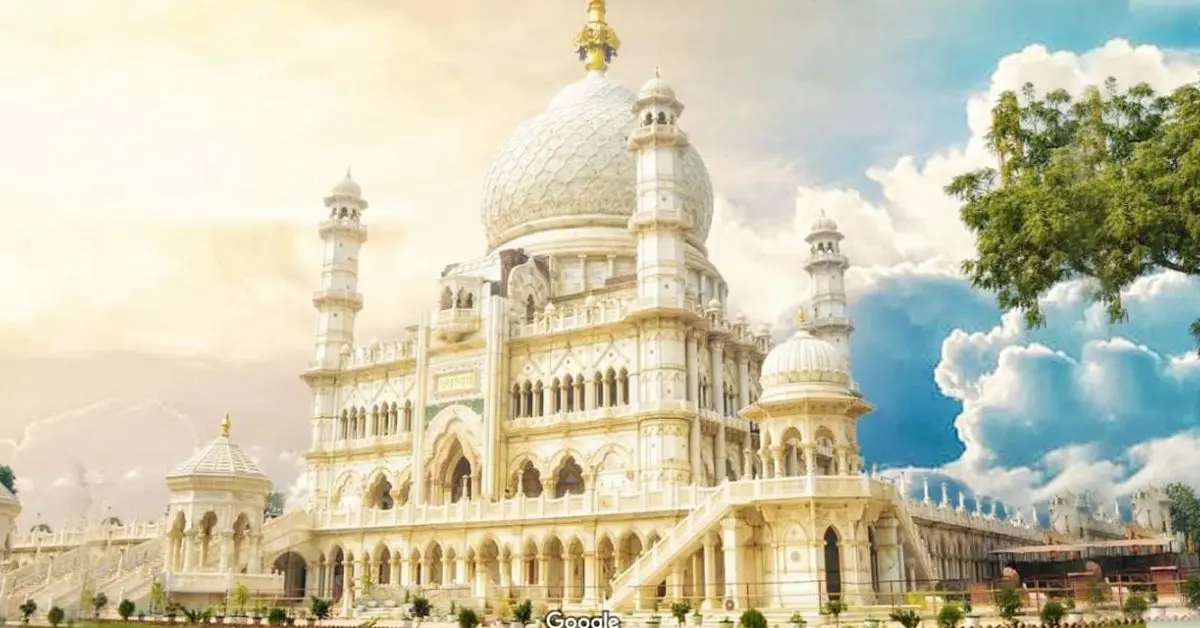
Radha Soami Bagh
This place is the dedicated place of worship of people from the Radha Soami faith, also popularly known as the Dayal Bagh community.
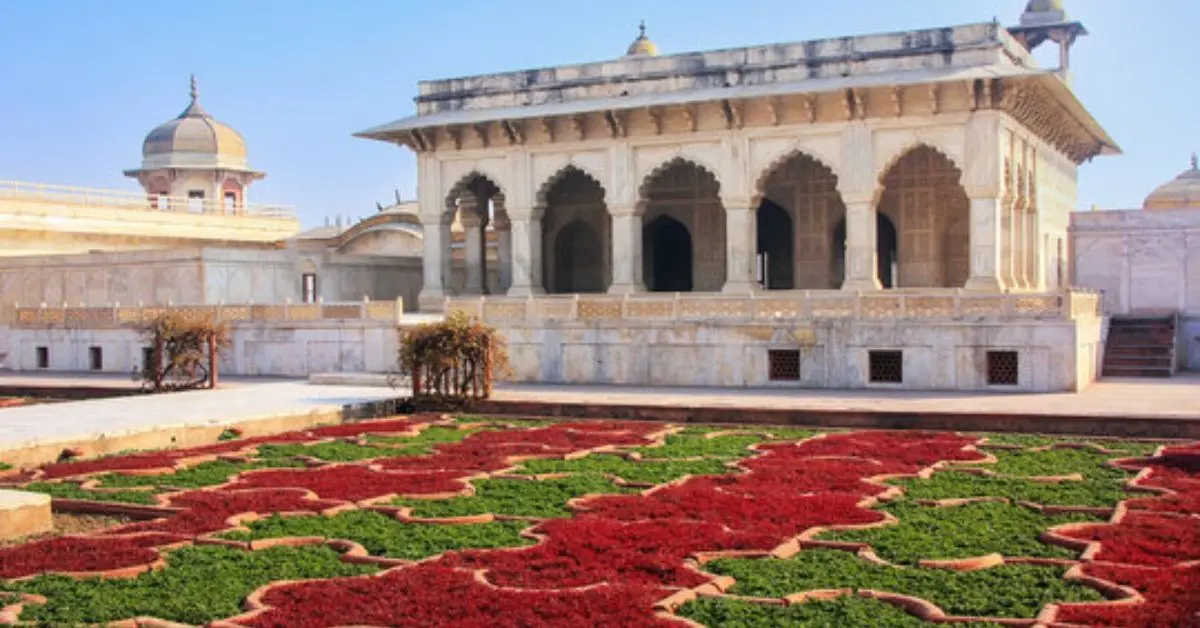
Anguri Bagh
Built by Shah Jehan, this place was once the private area of Mughal women, and was known for harvesting the richest grapes and flowers. A fountain in the centre of the park is the main attraction.
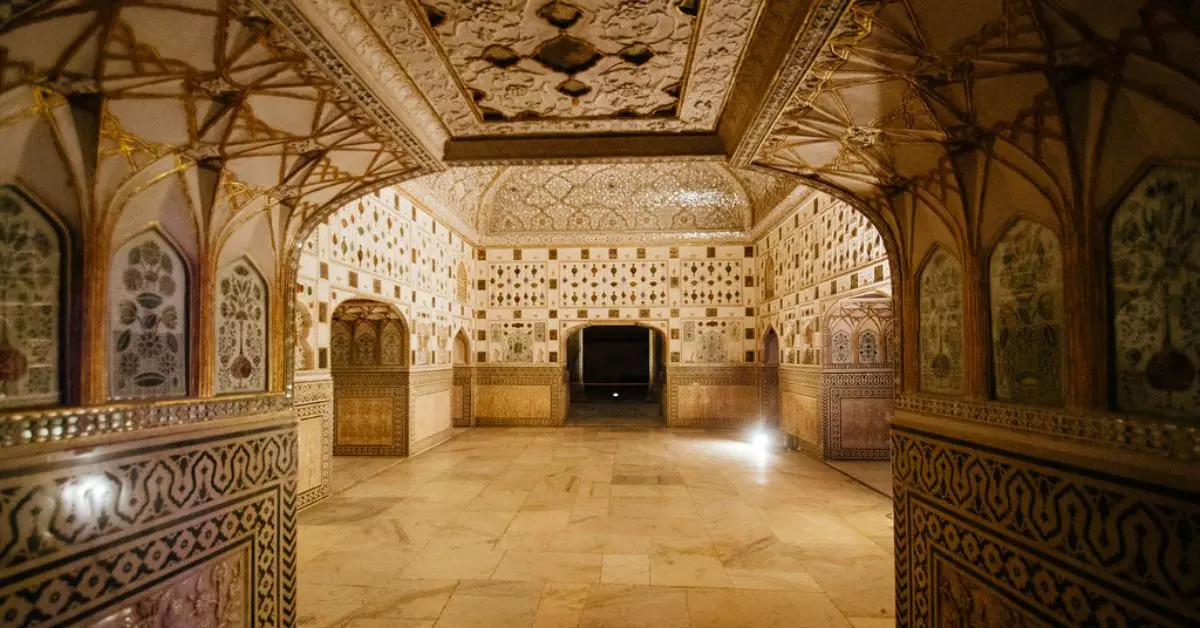
Shish Mahal
This glimmering masterpiece of a monument was built by Shah Jahan. The palace’s primary purpose was to serve as a bathhouse, with facilities that could cater to hot water baths, cold water baths, and also steam baths. It was also used as a summer retreat to escape the scorching summer heat.
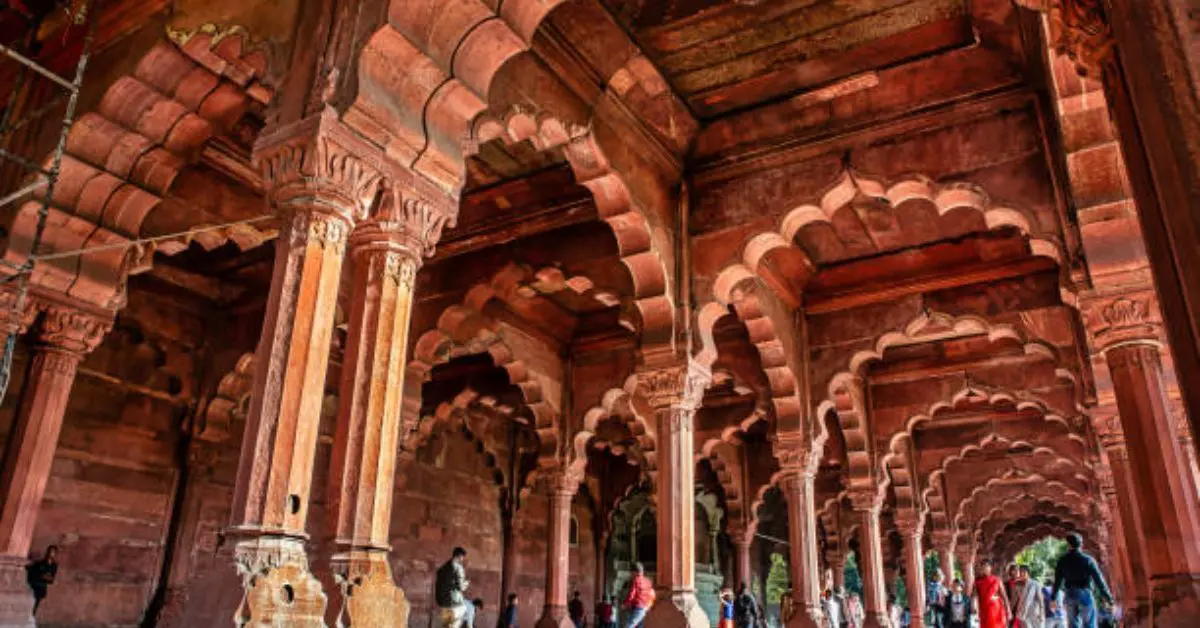
Diwan-e-Aam
Also known as the “Hall of Public Audience,” this place was built by Shah Jahan, and this was where he heard public disputes, problems, and delivered justice.
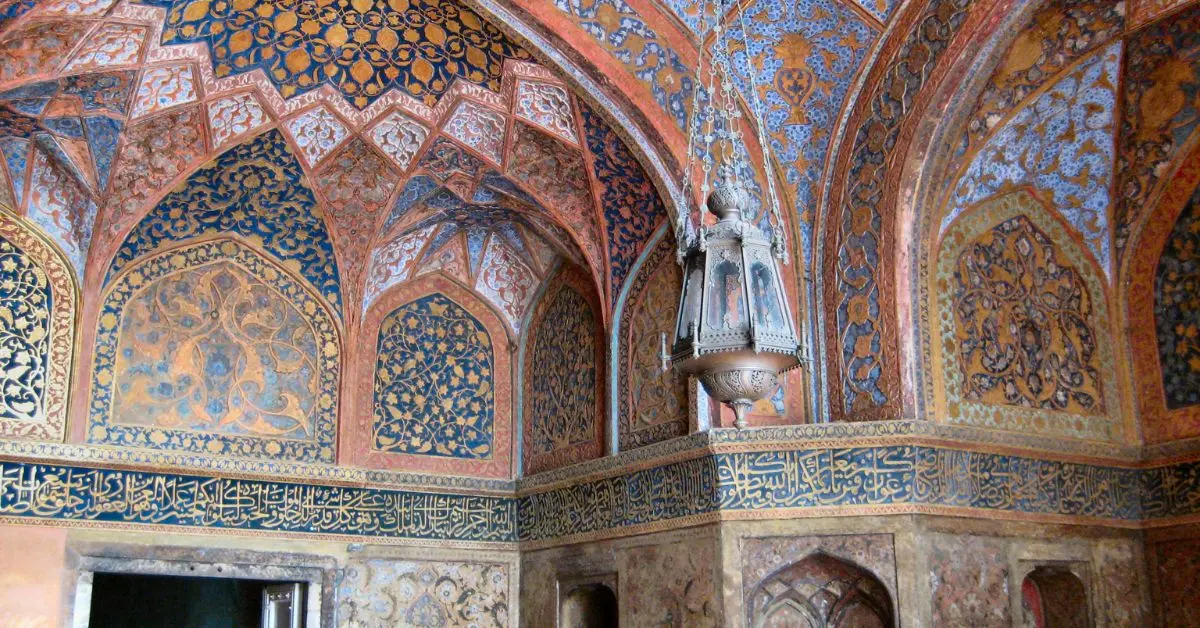
Sikandra Fort
The Sikandra Fort is known for being the mausoleum of Akbar. It holds a beautiful, intricate design and is built out of rich, red sandstone.
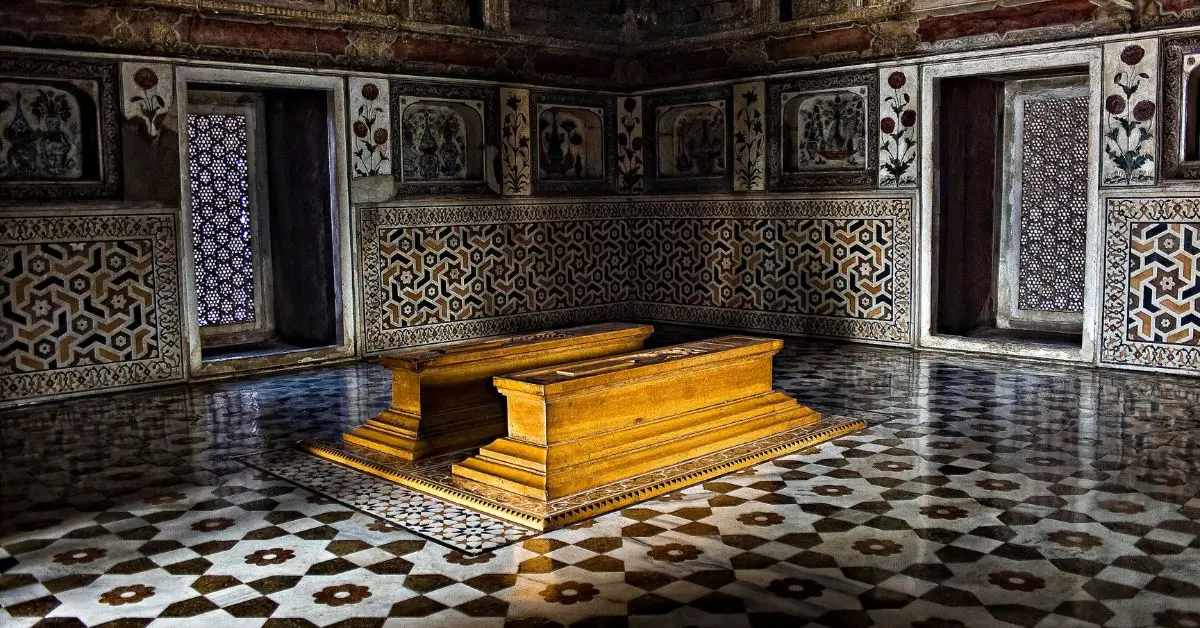
Itmad Ud-Daulah
Known as the Jewel Box, this place is set in a beautiful garden and is known for being the first place to use pure white marble and Pietra Dura extensively, which was later used in building the Taj too.
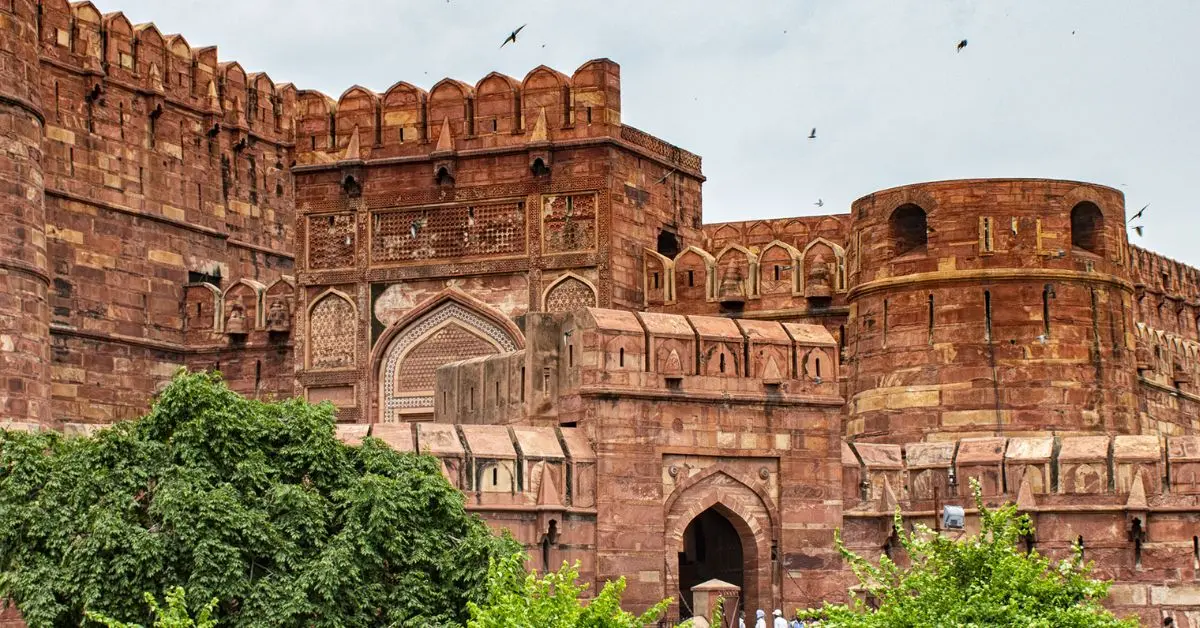
Amar Singh Gate
Akbar named this gate after a valorous Rathore Rajput who leaped from the wall on his horse and escaped execution.
Other things to do in Agra:
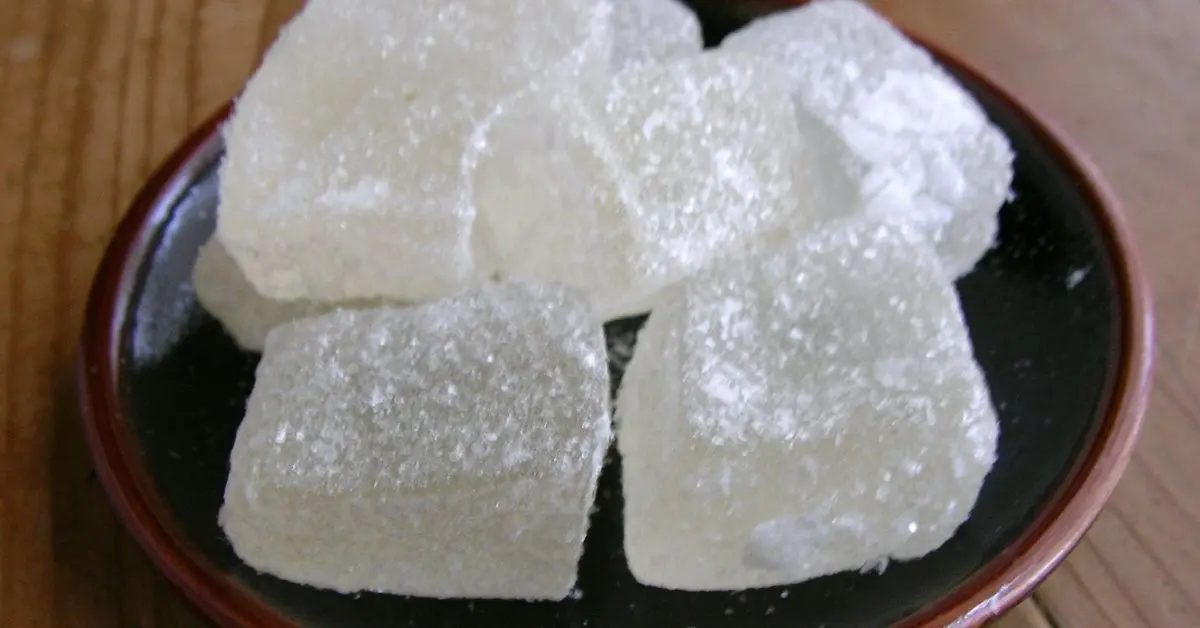
Check out the local food scene, try out the Agra popular sweet Petha. Take time to sample Agra’s famous sweets, the city is known for its wide variety, including favourites like ghevar and petha. Don’t forget to take some home for your loved ones!
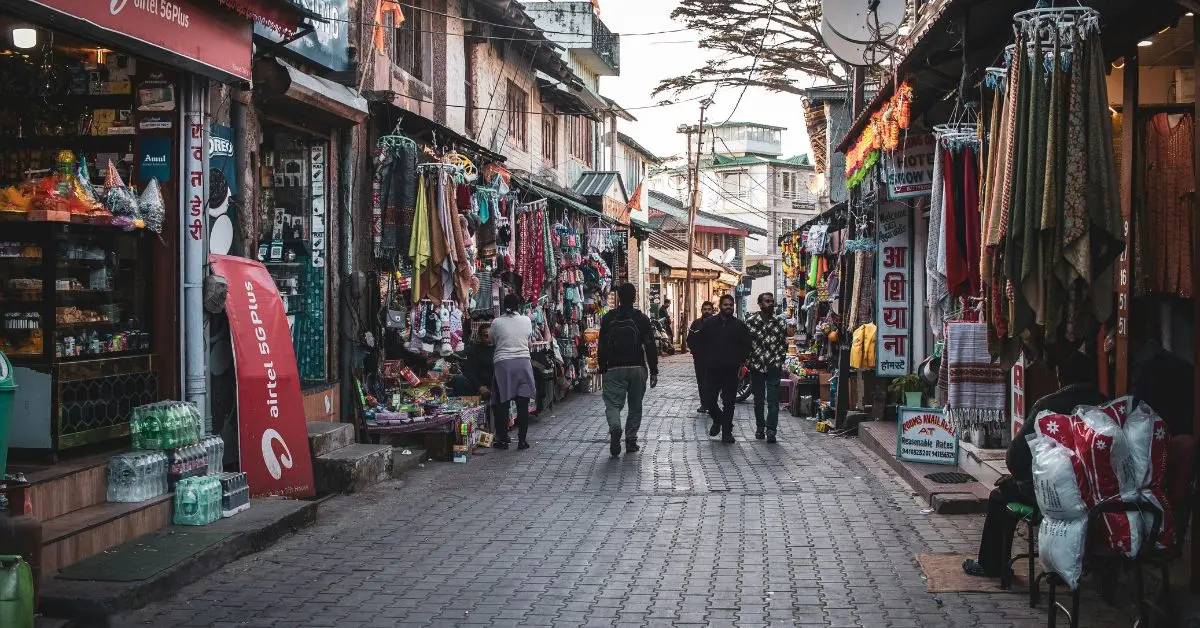
Shop at the popular street market, Sadar Bazaar.
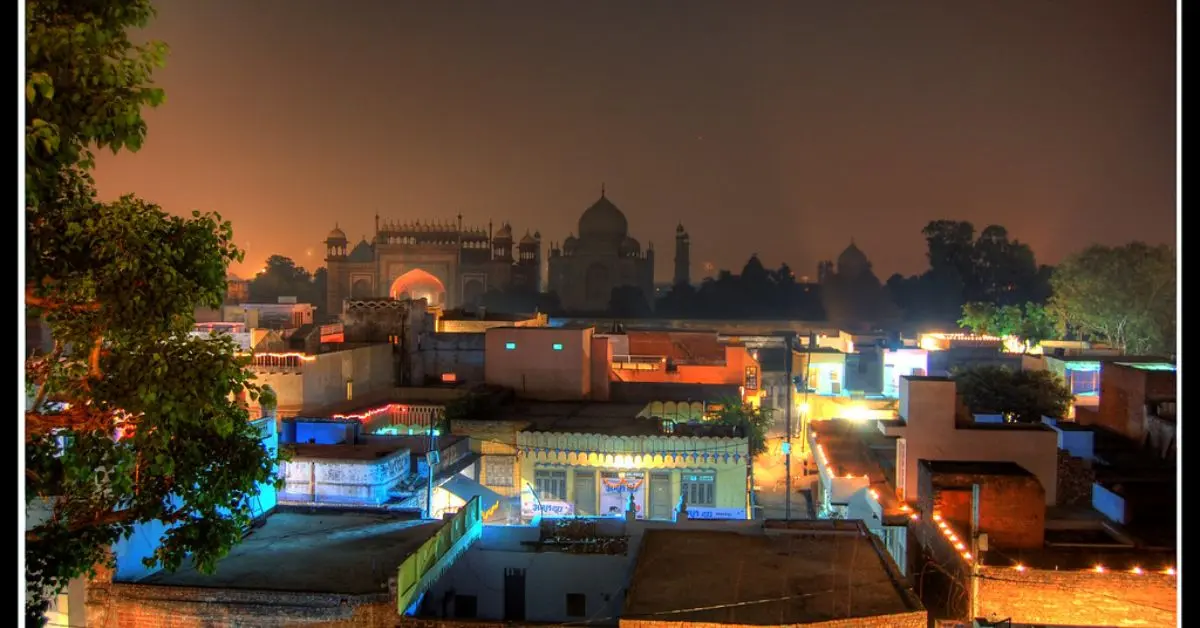
Take a stroll across the Tajganj area on battery operated rickshaw.
Do’s and Don’ts:
In Agra and various parts of Uttar Pradesh, people posing as guides will follow you around, giving you unwanted information, trying to get themselves hired. If not stopped immediately, there is a chance they will force you into paying them for doing your guide’s work. Say no to them as soon as someone approaches you.
Bargaining with auto pullers and taxi drivers is also a skill that you will need in Agra, as they tend to sweet-talk you into paying an unreasonably high amount. Some vendors may try to pressure or intimidate you into paying more, but it’s important to stay calm and use your presence of mind. Always agree on the fare before availing their services, and begin bargaining at about half the quoted price.
Pickpocketing is a common problem in Agra, often targeting tourists and first-time visitors. Bus stands, street markets, and other crowded areas are their usual hotspots. Many pickpockets operate in groups and often involve women or young girls.
Book your lodging in advance, as auto rickshaw riders tend to push you into booking into restaurants that pay them commission.
For women travellers, it’s wise to carry essentials like pepper spray and a power bank, and keep contact details of local guides and tourist helplines easily accessible, as Agra can sometimes be challenging for solo female tourists.