Now Reading: Beyond Autism facilitates specialised care and therapy for children in Visakhapatnam
- 01
Beyond Autism facilitates specialised care and therapy for children in Visakhapatnam
Beyond Autism facilitates specialised care and therapy for children in Visakhapatnam
Do you sometimes observe children who do not respond to their names, fail to make eye contact, exhibit delayed speech, bang their heads, or stare at a particular object continuously? We may not realise, but these could be the signs of autism. Autism Spectrum Disorder (ASD), commonly known as Autism, is a developmental delay that slows down how children interact, communicate and behave with others. Autism affects the nervous system and impacts a person’s cognitive, social, and emotional abilities.
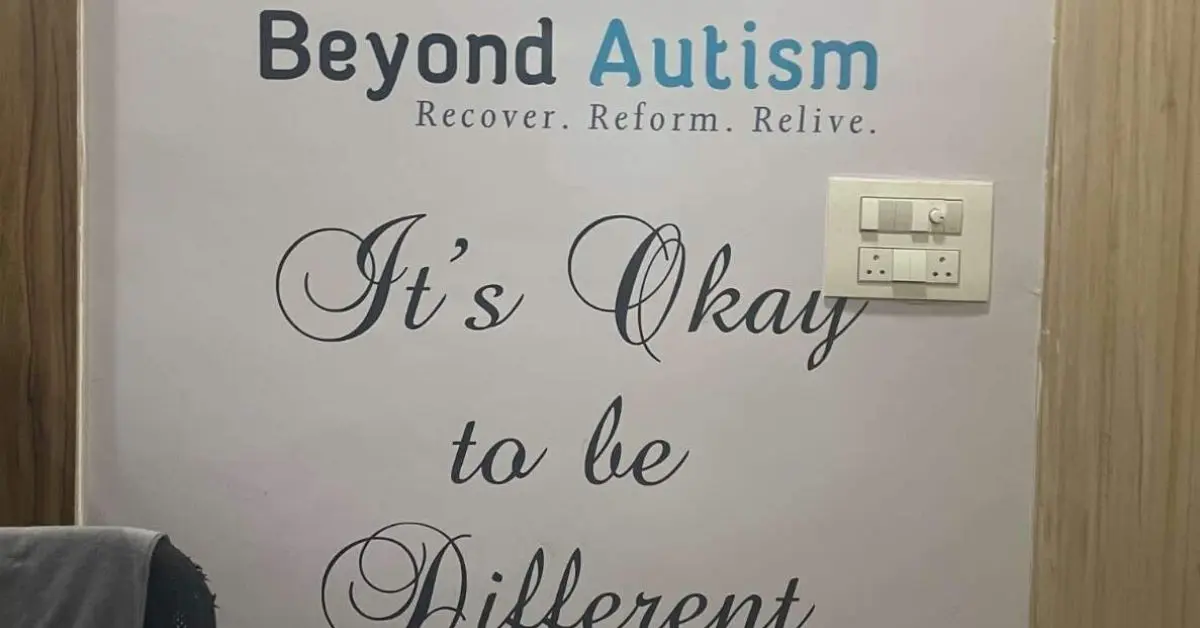
We interacted with Asleena, founder of Beyond Autism, to learn more and raise awareness about autism. This transformative clinic is a safe space for children and parents, and aims to help them overcome the stigma surrounding this disease.
Autism identification and Diagnosis
Other signs, especially in children, may also include being in one’s own world, have no environmental awareness, and being unable to express their needs. A child under the autistic spectrum may feel different ages. For example, their mental age is different from their speech age. Children may also experience difficulty in socialising, pain reception, and simply performing day-to-day tasks.
To diagnose autism, assessments are conducted on each child, after which the developmental delays are identified. The therapies and stimulation activities are carried out based on the child’s milestone chart assessment. Typically, 45 minutes of stimulation of each activity is conducted, of which 40 minutes is therapy and 5 minutes is feedback given to the child.
Beyond Autism

Beyond Autism was founded by Asleena, a postgraduate with a Master’s in Psychology from Andhra University, Visakhapatnam. She started her own practice in 2021, at the age of 27, with the main aim of spreading autism awareness. They have treated over 500+ children from different countries since inception. At the ‘Beyond Autism’ clinic, children get treated with therapies which are suited to their developmental needs. One-to-one stimulation is practised with over one lakh+ activities. Beyond Autism offers high-quality treatment methods at quite reasonable fees as compared to the market norms within this category.
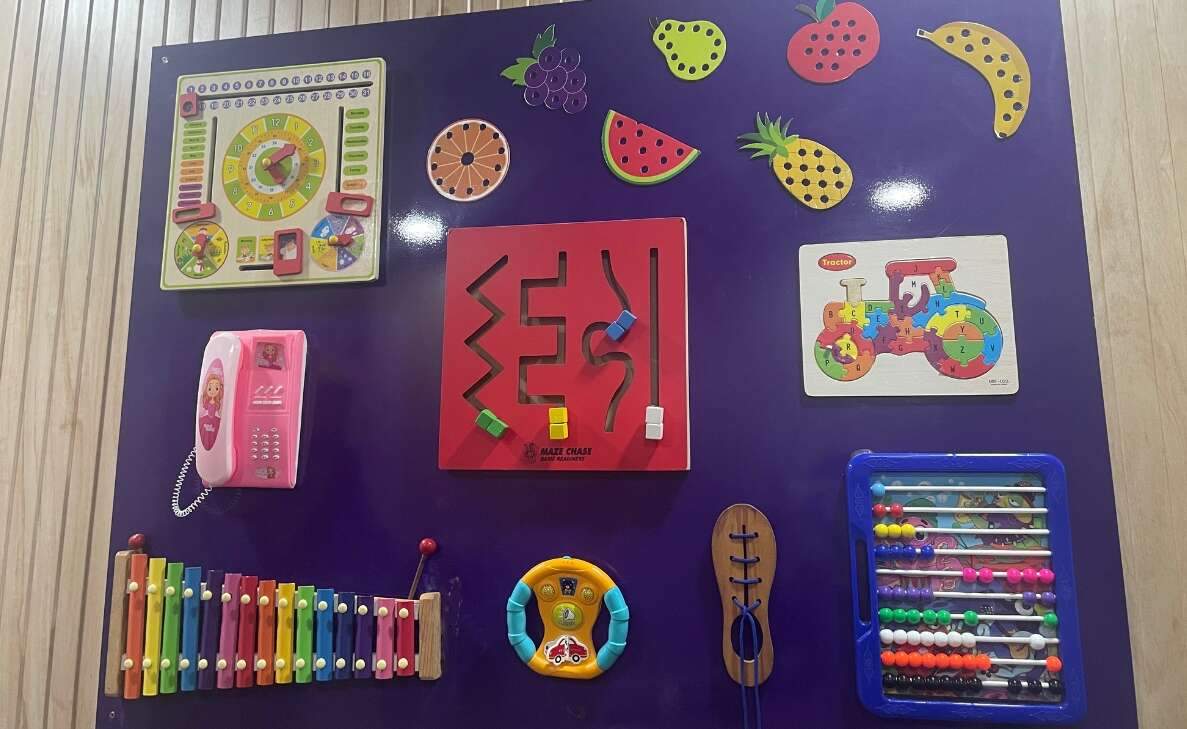
Most importantly, Asleen mentioned that parents felt understood and protected at her clinic. There is utmost transparency, and workshops are conducted every Saturday, where parents are also involved in the child’s learning and progress. The parents of the children have formed a small community amongst themselves as they can relate to each other. Counselling and awareness for parents on how they can aid their child’s progress and development is available at no cost.
Therapies used to treat Autism:
In Occupational Therapy, the main focus is on stimulating activities of daily life, fine and gross motor skills, and sensory development. Activities of Daily Life (ADLs) are day-to-day activities like bathing, brushing, picking up things, etc. Fine and gross motor skills include sitting, standing, jumping, and moving activities. In sensory integration therapy, all five senses are stimulated.
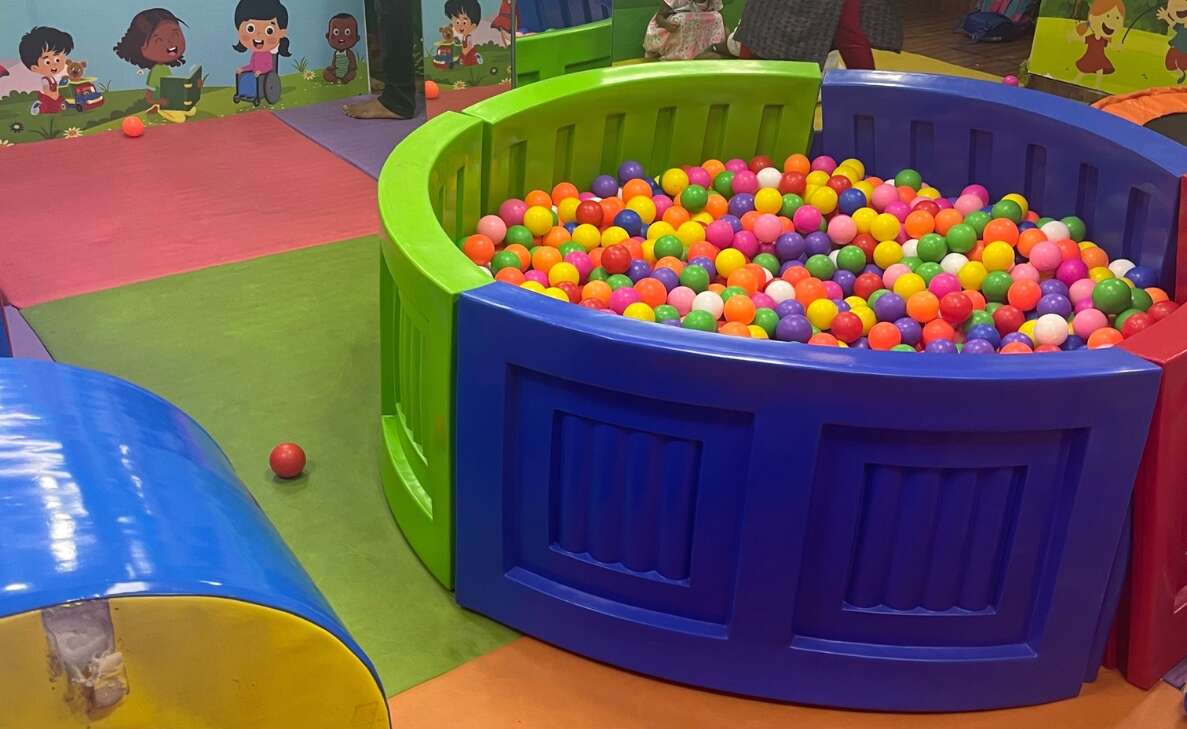
In Behavioural Therapy, the main focus is on getting children to practice eye contact, engage in socialising activities, and improve cognitive thinking and analytical understanding. Efforts are also made to reduce the child’s hyperactivity by positive and negative reinforcement. Positive reinforcement, which is appreciating the child whenever he/she has completed the task, is quite encouraging and motivating for the children. Negative reinforcement includes voice modulation and other techniques, which encourage the child to be independent.
The progress is measured against a milestone chart according to their age. Dr Pallavi, an occupational therapist at Beyond Autism, says that it takes at least 6 months to properly understand the symptoms and to get the child to respond to the stimulating activities. The children need 40 hours of stimulation every week under the Applied Behavioural Analysis technique (ABA), which translates to 6 hours of stimulation per day. Simple stimulating activities, such as getting the children to do simple tasks, should be practised at home for efficient development.
Autism in Indian society:
In India, the social stigma surrounding autism stops many parents from seeking help for their children. Asleena passionately urges parents not to give in and address their children’s needs by accessing appropriate treatments. She stresses the importance of early intervention, emphasising that with proper stimulation, autism is manageable. Delaying acknowledgement or treatment can significantly impact a child’s progress. Dr Amrutha, a physiotherapist at Beyond Autism, stresses that addressing symptoms early is crucial; as children grow, the developmental gaps become more challenging to bridge. Adequate stimulation becomes the key to guiding the child out of the spectrum.
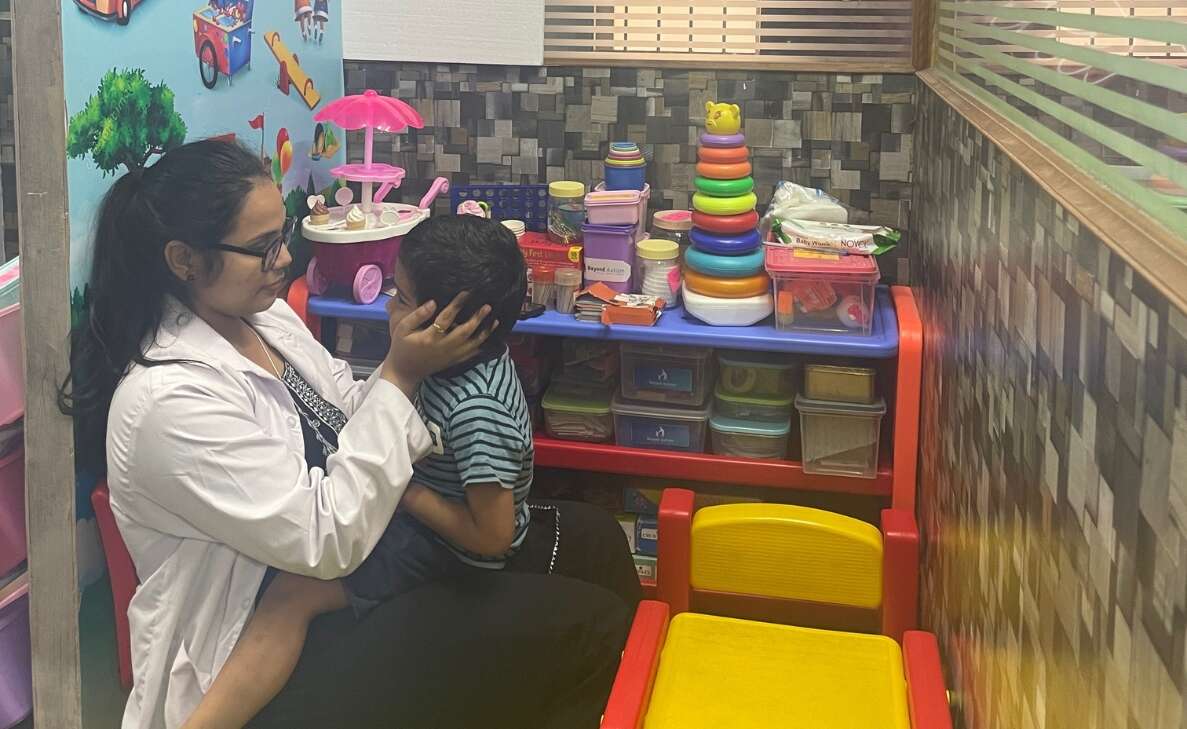
Autism is often confused with Speech Delay. In Speech Delay, the child can respond, has reception, and understands everything you tell them, but cannot express in words. Whereas in autism, the child is unresponsive, there is minimal reception, and other functional delays. Virtual autism has become increasingly prevalent these days due to excessive screen exposure. Outside stimulating and sensory stimulating activities are extremely necessary for young kids for proper developmental ageing. Parents have to cooperate with the therapists for the successful administration of treatment to the children.
Asleena’s story
Asleena was motivated to bring a change in our society. “Cases are increasing, and there are no affordable treatments accessible to everyone,” she says. Her main goal is to make these treatments accessible and available to every group in society. Her affinity towards children and wanting to treat them with utmost quality and care made her start her own initiative and practice. She wants to open a foundation in the future and do more work which extends help and support towards more children with such disorders.
She aims to foster a culture of awareness among parents, empowering them to recognise the signs of conditions like autism to ensure their child receives the best possible treatment. Asleena passionately believes that ‘No therapy centre is bad. Each opens its doors with a genuine and positive intention.’ She urges the parents not to feel burdened by the societal stigma and asks them to be aware of the conditions so that they can offer their child a better and brighter future.
Stay tuned to Yo! Vizag website and Instagram for more updates.