
Now Reading: Unearthed in Vizag: Archaeological Finds That Reveal the City’s Forgotten Past
-
01
Unearthed in Vizag: Archaeological Finds That Reveal the City’s Forgotten Past
Unearthed in Vizag: Archaeological Finds That Reveal the City’s Forgotten Past

Visakhapatnam is often known for its beaches, hills, port, industries, and ever-changing skyline. But beyond the modern city lies history that has left behind inscriptions, sculptures, coins, pottery, and temple remains that tell stories stretching back centuries. Here are some archaeological discoveries that offer a glimpse into Vizag’s lesser-known past.
Inscriptions and the Insights They Give
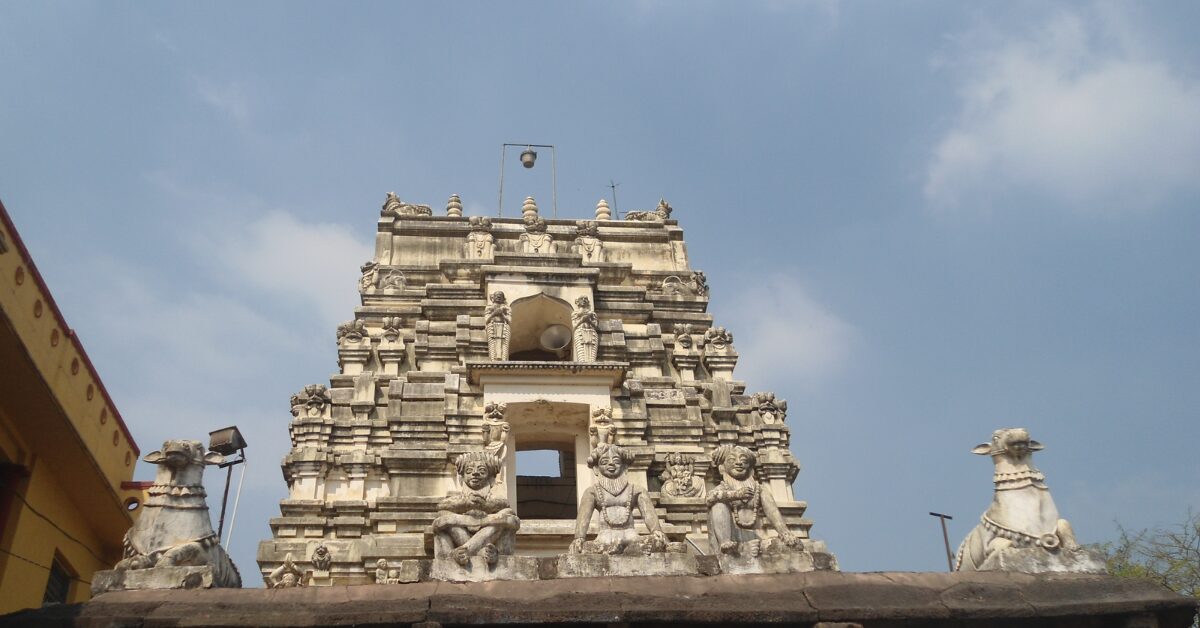
A few lines carved into stone can offer immense insight into history. One such clue comes from an inscription found at the Bhimeswara Swamy Temple in Draksharamam, which dates to 1068 AD. It records a merchant named Papaya from Visakhapatnam donating to the temple.
Another Tamil inscription, dated to 1250 AD, found near Paravastu Rangacharya’s house in Kancheraveedi in the old town records a merchant’s gift of a mantapa to a temple called Karumanikka Alvar. The temple itself is no longer known through any surviving structures, making the inscription particularly intriguing.
An inscription from 1090 AD mentions a merchant guild associated with the Anjuvannam group and records a gift to a Kerala merchant. Another record from 1199 AD refers to the sale of land and a house to a merchant in Visakhapatnam. These inscriptions point to Visakhapatnam as a place with an established mercantile community and connections extending beyond the immediate region.
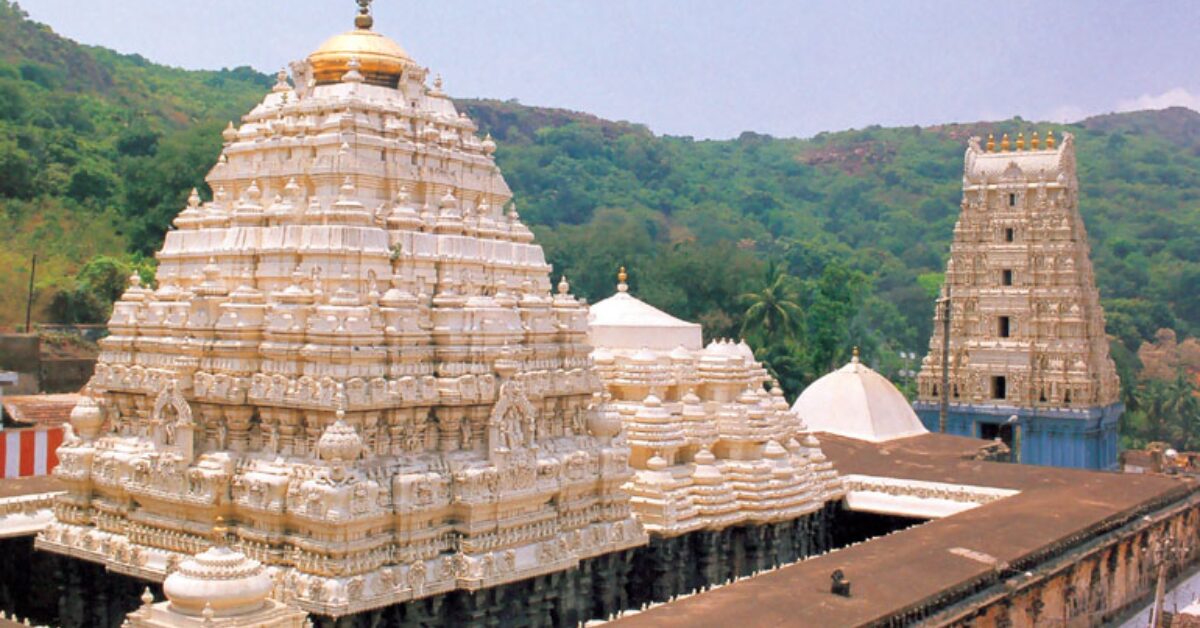
The Simhachalam temple, which is over 900 years old, also contains hundreds of inscriptions from different periods of its history. These inscriptions document donations, endowments, and other details connected with the temple, as well as the rulers and communities who supported it. The Andhra Pradesh government’s district website notes that these inscriptions are associated with the Cholas, the Velanadu rulers and the Eastern Ganga dynasty, among others, pointing to their influence over the region.
One inscription commemorates the visit of Vijayanagara ruler Krishnadevaraya in 1516 AD, following his eastern campaign, and records a benefaction he made to the temple.
Credits: Incredible India
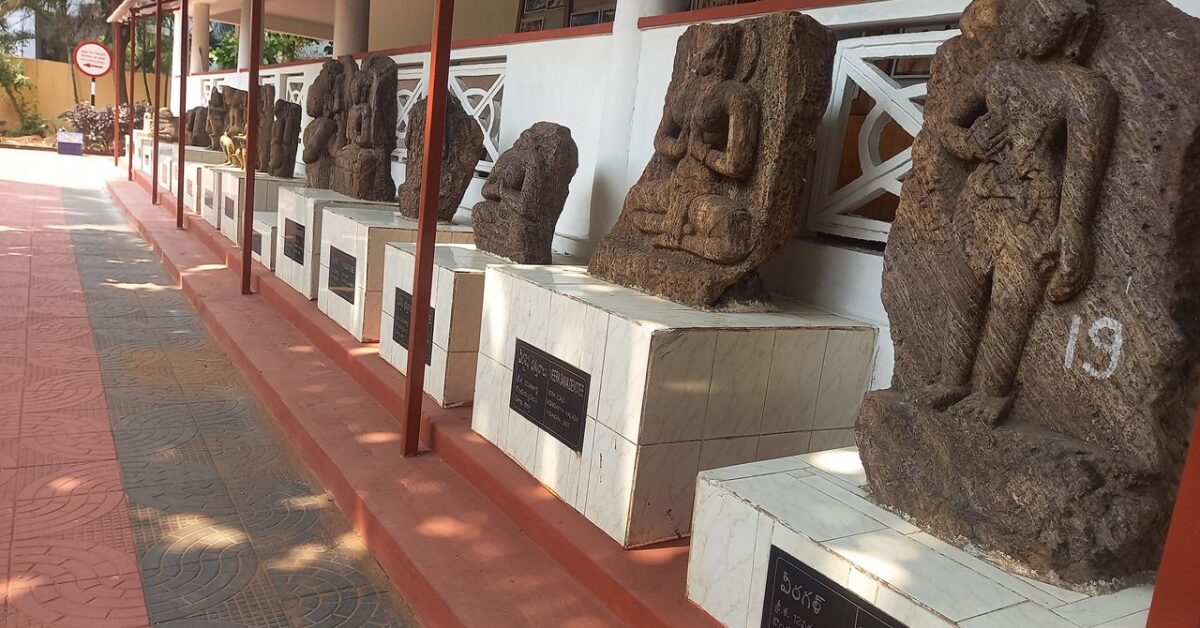
Meanwhile, the Archaeology Museum, located within the Visakha Museum on Beach Road, contains a Tamil inscription documenting the change of the city’s name to Kulottunga Chola Pattanam. The inscription attributes the renaming to a military general of the Chola Empire, and connects the name to Kulottunga Chola I, who reigned from 1070 to 1122 CE. This signifies the rule of the Cholas on the region and offers a glimpse into the political landscape of medieval South India at the time.
The Buddhist Sites: One Part of a Much Bigger Story
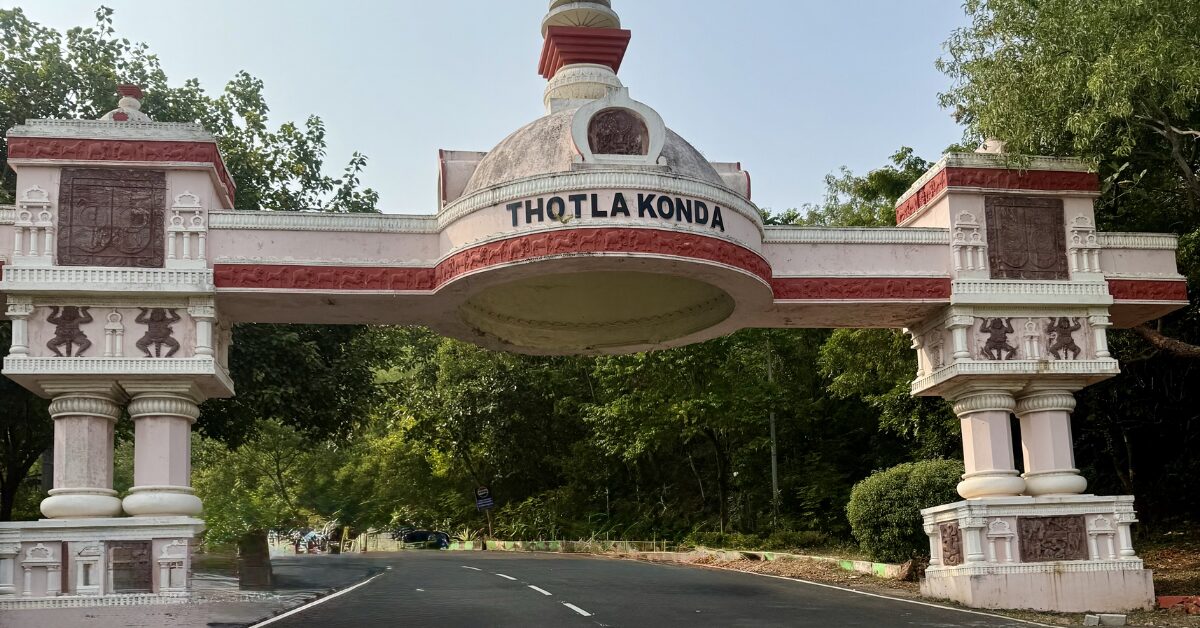
Excavations at Thotlakonda and Bavikonda revealed large monastic complexes featuring a mahastupa, viharas, chaitya-grihas, votive stupas, water cisterns and other structures. Artefacts recovered from the sites include coins, terracotta objects, sculptural remains, miniature stupas, Buddha footprints and inscriptions in Brahmi script.
This makes the Buddhist sites particularly important to understanding ancient Vizag. They were not isolated religious centres, but existed within a landscape where faith, travel and trade intersected. The presence of these monasteries points to the importance of Buddhism in the region during the early historic period, which played a role in the spread of the faith to Sri Lanka and parts of Southeast Asia.
Apart from these, the aforementioned Archaeology Museum also houses collections ranging from prehistoric material to objects from historic and later periods. If you are interested in this aspect of Visakhapatnam, you can check out its galleries, which contain stone sculptures, bronze objects, coins, pottery and inscriptions. The sculpture collection includes representations associated with Buddhist, Jain, Shaivite and Vaishnavite traditions.
While history does not limit itself to these discoveries, they offer a glimpse into the vast historical landscape of Visakhapatnam, proving that grand monuments alone do not define a region’s rich heritage. History stretches far beyond what we see today, and the city we know is only the latest chapter in a much older story.
Also read: Maritime Museums in Vizag: A Journey Through Naval Heritage
Stay tuned to the Yo! Vizag website and Instagram for more travel recommendations.