
Now Reading: Yo! Exclusive: Visakhapatnam doctor busts HIV myths
-
01
Yo! Exclusive: Visakhapatnam doctor busts HIV myths
Yo! Exclusive: Visakhapatnam doctor busts HIV myths

According to publicly available data, Andhra Pradesh recorded a cumulative 2,76,633 people living with HIV during 2024–25, making it the second-highest state in India after Maharashtra, with Karnataka ranking third. HIV (Human Immunodeficiency Virus) attacks the immune system. A weakened immune system increases the risk of infections such as tuberculosis, pneumonia, candidiasis (thrush), cytomegalovirus, toxoplasmosis, meningitis, and certain types of cancer. Discussions around HIV are often considered taboo, allowing misconceptions to persist and delaying timely diagnosis and treatment. In conversation with Yo! Vizag, Dr. Veeren Ganta, Infectious Diseases Consultant and HIV care physician in Visakhapatnam, has addressed some of the most common myths surrounding HIV and the facts behind them.
Myth #1: I can get HIV by being around HIV-positive people

Fact:
“HIV does not spread through casual contact,” says Dr. Veeren Ganta. You cannot get HIV by:
- Breathing the same air
- Hugging, kissing, or shaking hands
- Sharing utensils
- Using gym equipment or public toilets
- Drinking from the same water fountain
HIV can spread through infected blood, semen, vaginal fluids, or breast milk.
Myth #2: HIV and AIDS are the same thing
Fact: HIV is the virus, while AIDS (Acquired Immunodeficiency Syndrome) is the advanced stage of HIV if left untreated. Early diagnosis and regular treatment can prevent HIV from progressing to AIDS and other consequential diseases.
Myth #3: HIV is always symptomatic

Fact: One of the popular myths about HIV is that it is symptomatic. However, according to Dr. Veeren Ganta, “Many people with HIV have no symptoms, especially in the early stages.”
Some may experience mild symptoms such as fever, fatigue, or general malaise. This is why routine HIV testing is recommended at least once for people between 18 and 64 years of age, particularly those at higher risk due to sexual exposure or injecting drug use.
Myth #4: People with HIV cannot have safe pregnancies or children
Fact: With regular antiretroviral therapy (ART) and medical guidance, the risk of transmitting HIV to a child can be reduced significantly. Many people with HIV have healthy pregnancies and give birth to HIV-negative children. Depending on the level of risk, healthcare providers may also recommend a C-section or formula feeding. After birth, infants are given preventive medication for one to three months and are subsequently tested to confirm they have not acquired the virus. ART is considered safe during pregnancy and does not adversely affect it.
Myth #5: Since I am getting treated, I cannot spread the virus
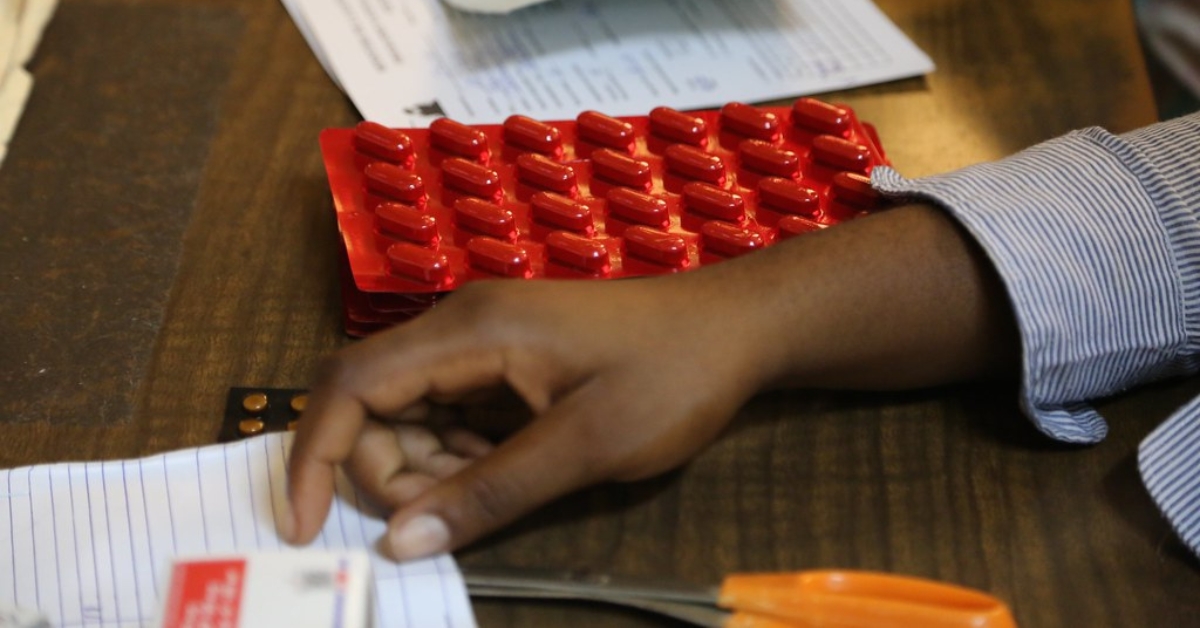
Fact: HIV treatment can reduce the virus to an undetectable viral load. However, treatment must be taken exactly as prescribed. Missing doses or stopping medication can increase the viral load and the risk of transmission.
Myth #6: If both partners have HIV, they can have unprotected sex
Fact: “Safe sex is still important,” reminds Dr. Veeren Ganta, adding that HIV testing may take a few weeks to three months after exposure to detect the virus. This makes repeat testing necessary during the window period.
Unprotected sex can also lead to infection with a different HIV strain (superinfection), which may be resistant to treatment, and increases the risk of other sexually transmitted diseases.
Myth #7: Mosquitoes can spread HIV
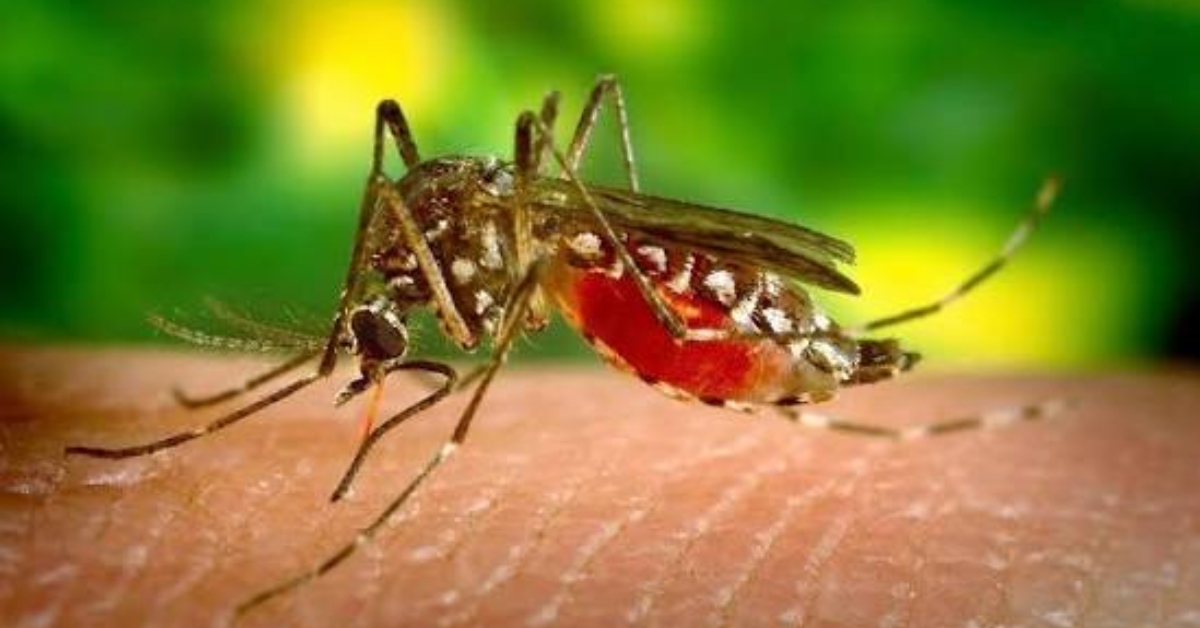
Fact: There is no evidence that HIV spreads through mosquito bites. The virus cannot survive or multiply inside mosquitoes. Additionally, contrary to popular belief, mosquitoes do not inject the blood of a previously bitten person in a new person.
Key Takeaways about HIV in Visakhapatnam
On the occasion of the 43rd International AIDS Candlelight Memorial Day, globally observed on 17 May 2026, Visakhapatnam held a candle rally from Satyam Junction to Rama Talkies under the theme, “Light the Legacy: Remember. Advance. Act.” The rally included government health officials, volunteers, and members of HIV-positive support networks. According to data shared by health officials during the event, around 26,203 people in Visakhapatnam are living with HIV, of whom 11,682 are receiving antiretroviral therapy (ART). The district has also recorded 7,445 HIV-related deaths over the past two decades.
Although there is currently no cure for HIV, clinical trials to develop a vaccine have been underway since the 1990s. Due to the virus’s frequent mutations, HIV can develop drug resistance over time, making some medications less effective. However, regular monitoring of the viral load and resistance profile allows doctors to identify resistance early and adjust treatment accordingly.
Addressing myths and misinformation is equally important to encourage awareness, early testing, and timely treatment of HIV. With timely diagnosis and effective treatment, people living with the infectious disease can lead healthy lives with a normal life expectancy.
If anyone has any concerns regarding HIV, they can reach out to Dr. Veeren Ganta on Instagram, Facebook, or check out his YouTube page.
Stay tuned to Yo! Vizag website and Instagram for more such articles.