Now Reading: Stories of Yore: Wedding season in Vizag during the late 1930’s!
- 01
Stories of Yore: Wedding season in Vizag during the late 1930’s!
Stories of Yore: Wedding season in Vizag during the late 1930’s!
February is the month of love, with the celebration of Valentine’s Day, and the wedding season in full swing. You must have seen several wedding celebrations across Vizag during this month, blasting party music and dancing relatives on the streets! A wedding is a time of love, happiness, joy, and celebration of relationships. There are several approaches to planning weddings these days. Ranging from a simple courtroom wedding to an elaborate destination wedding, there is no limit that people can’t stretch to. At some point in your lives, you must have flipped through albums of your parents’ wedding and wondered how it was celebrated. If you nodded yes, then this article might offer a glimpse into the past, where weddings were rooted in close-knit community gatherings that lasted several days of celebration! In this edition of Stories of Yore, let’s take a look at how weddings were celebrated in Vizag during the late 1930’s!
Stories of Yore: Wedding season in Vizag during the late 1930’s!
The Venue
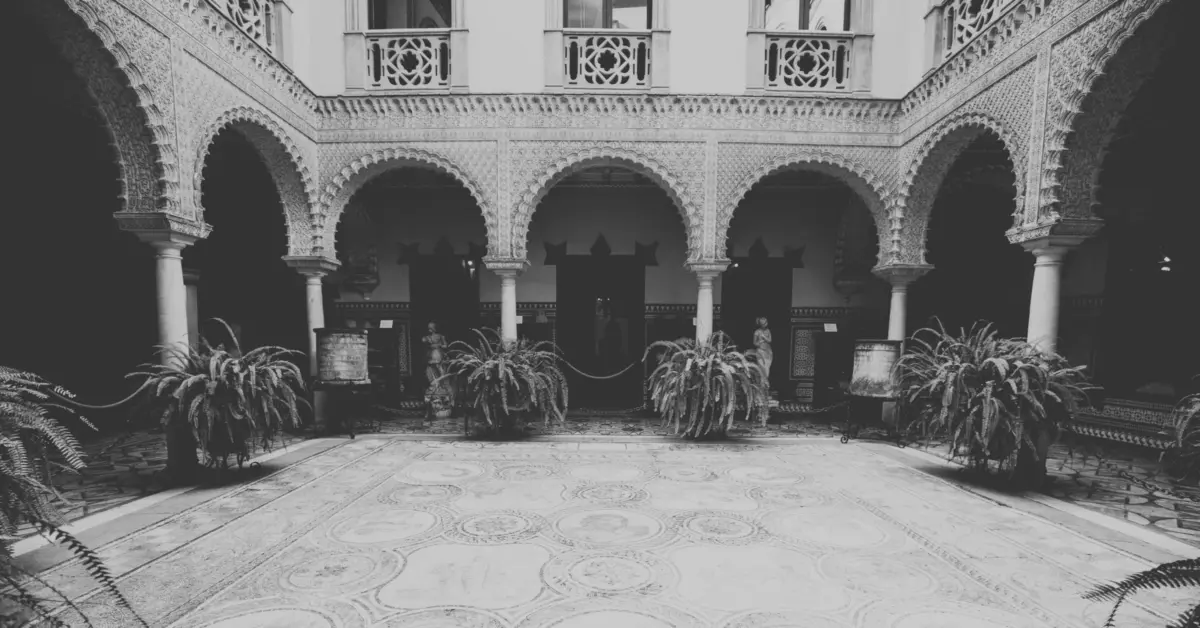
The wedding venue is very important for both the bride and the groom’s families. Not only should the venue accommodate guests from both sides, but it should also feature intricate decor for aesthetic pleasure.
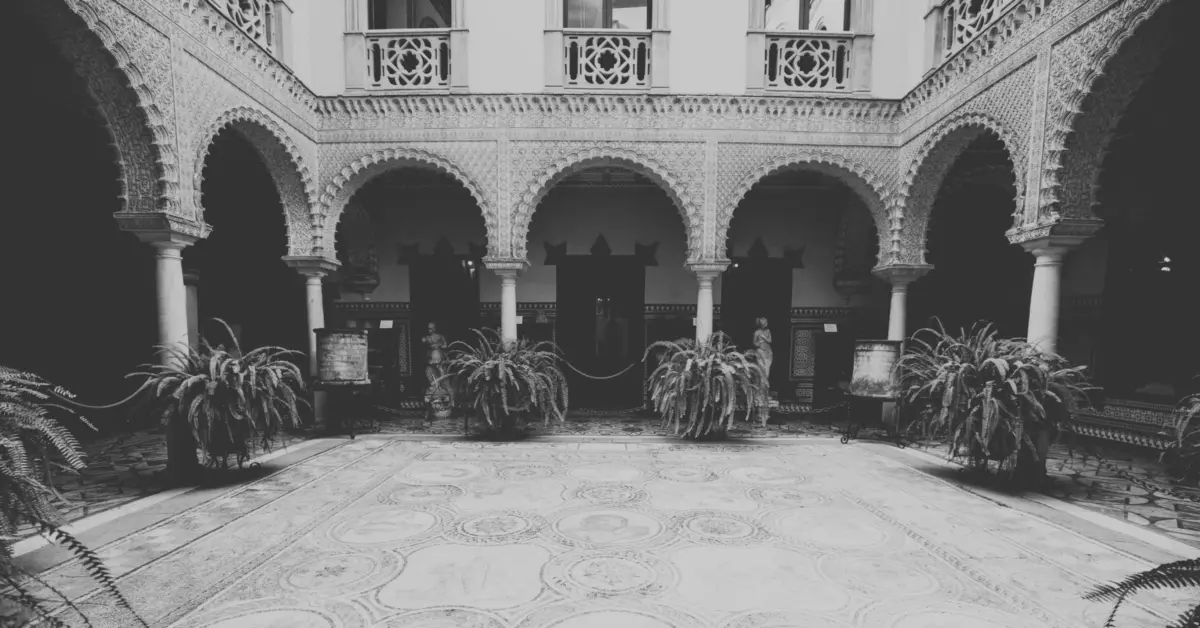
The situation was not an issue during the late 1930’s. The weddings of the middle-class families were celebrated at home. They were performed in the interior quadrangle, which was an indoor courtyard. This was a permanent feature in homes during that time. These quadrangles could accommodate up to 100 people at a time, so here is where guests would sit and bless the couple at the muhuratam.
Before The Big Day:
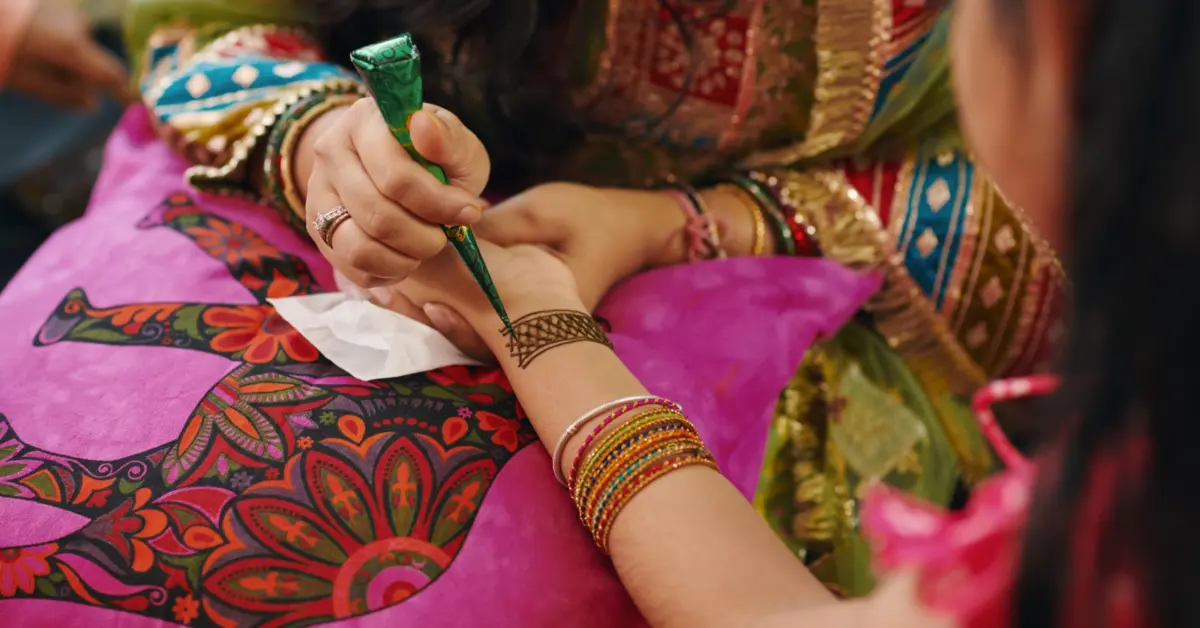
Preparation for the big day is endless. The couple to be wed will be engaged in several appointments, ranging from jewellery shopping, facials, makeup, and dress fittings. On the other hand, families and friends will be busy with various arrangements, including printing the wedding invitations, preparing items for the ceremony, sorting out the menu of the catering food, and more.
Here’s how people in Vizag prepared for the wedding in the late 1930’s:
The women from the bride’s family would accompany a brass band and a purohit (priest) and visit the houses to invite the people to the wedding. Upon reaching a house, the purohit would loudly announce the time and date of the wedding so that all members of the household could hear and acknowledge.
The Attire:
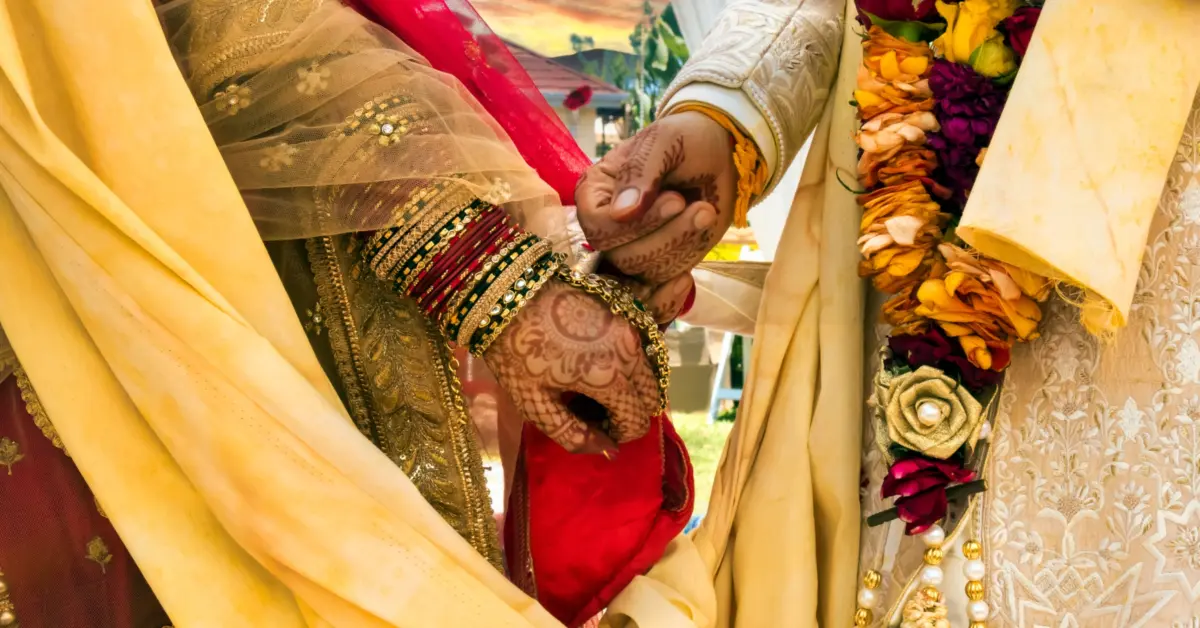
In modern times, wedding attire comes in many variations, catering to every kind of bride and groom. With elaborate silhouettes, delicate embroidery, and vibrant colours, these outfits symbolise more than just tradition. Not only do the couple and their families dress in their finest clothes, but the guests also wear their best clothes to celebrate the marriage.
This aspect of weddings has remained unchanged over the years. On the wedding day, the women from the bride’s family would dress in their best silk sarees and be decked with dazzling jewellery. Men would arrive in the afternoon, dressed in silk dhotis and kurthas with a silver tumbler for drinking water. The women would arrive in the evening again, and both parties would arrive in groups. The groom would arrive at the bride’s place in a palanquin, with a brass band leading the procession.
The Wedding and Celebrations!
Weddings today often have separate days for each ritual, including haldi, mehendi, and sangeet. However, the wedding is a single-day event, often with the reception conducted on the same day. Things were a little different in the past!
The bride’s family would arrange lunch for the men and dinner for the women. During the reception, the wedding guests would be seated on wooden planks, and food would be served on plates made from leaves.
After the wedding celebration, the newlywed couple would be taken around the town in a procession. Affluent families would have dancing girls from Vizianagaram and Peddapuram, who would perform at every junction and at important stops. To illuminate the celebratory procession, the local fisherfolk were hired to carry huge petrolmax lamps on their heads.
The wedding celebrations lasted five days, bringing together families, friends, and communities to honour the couple and their union.
These glimpses into the past offers us a perspective where celebrations were more focused on togetherness, shared joy, and pure joy. While there are many people who have intimate weddings, the essence of love being celebrated continues to remain at the heart of every wedding.
This article takes inspiration from the stories shared in the book "Vi(za)gnettes", a memoir written by Kolluru Jagannadha Rao, a Vizag native born in 1923.
Also read: Stories of Yore: What The Weekend in Vizag Once Looked Like!
Stay tuned to Yo! Vizag website and Instagram for more such articles.