
Now Reading: Sidhout Fort: Andhra Pradesh’s Historic Fortress on the Penna River
-
01
Sidhout Fort: Andhra Pradesh’s Historic Fortress on the Penna River
Sidhout Fort: Andhra Pradesh’s Historic Fortress on the Penna River
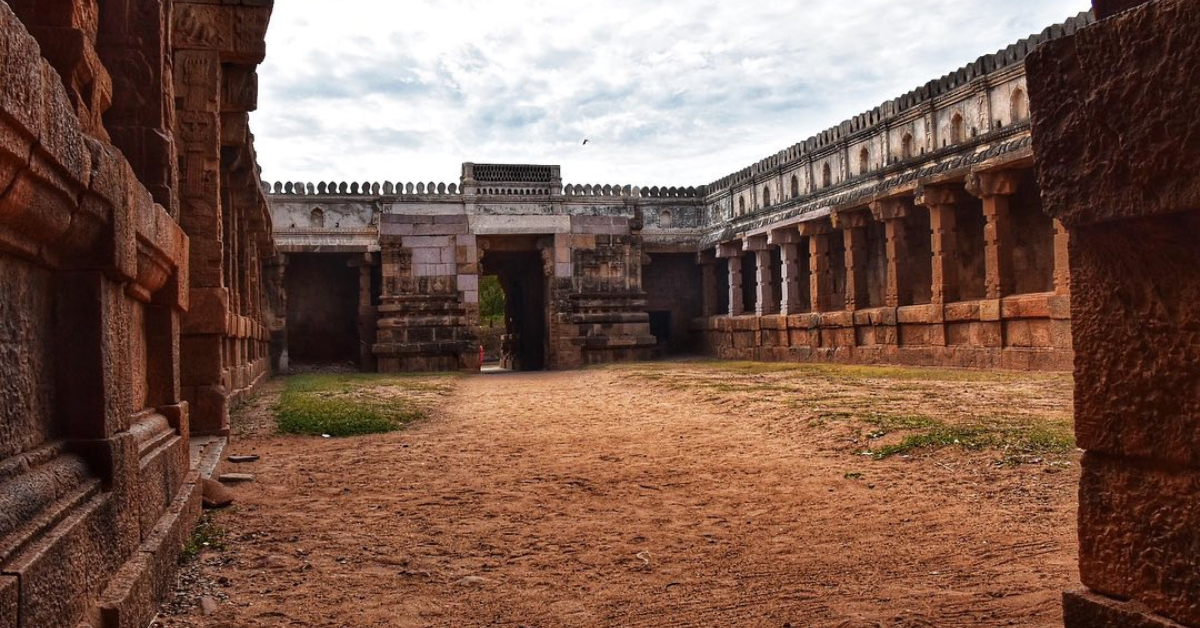
Hidden away in the landscapes of YSR Kadapa district, Sidhout Fort is one of Andhra Pradesh’s lesser-known historical landmarks. Standing beside the Penna River, the fort brings together centuries of military history, religious heritage, and architectural influences within its sprawling complex. Also known as Siddavatam Fort, it covers around 30 acres and is believed to date back to the early 14th century. Read on to discover its fascinating history!
Sidhout Fort: Andhra Pradesh’s Historic Fortress on the Penna River
A Fort with Centuries of History
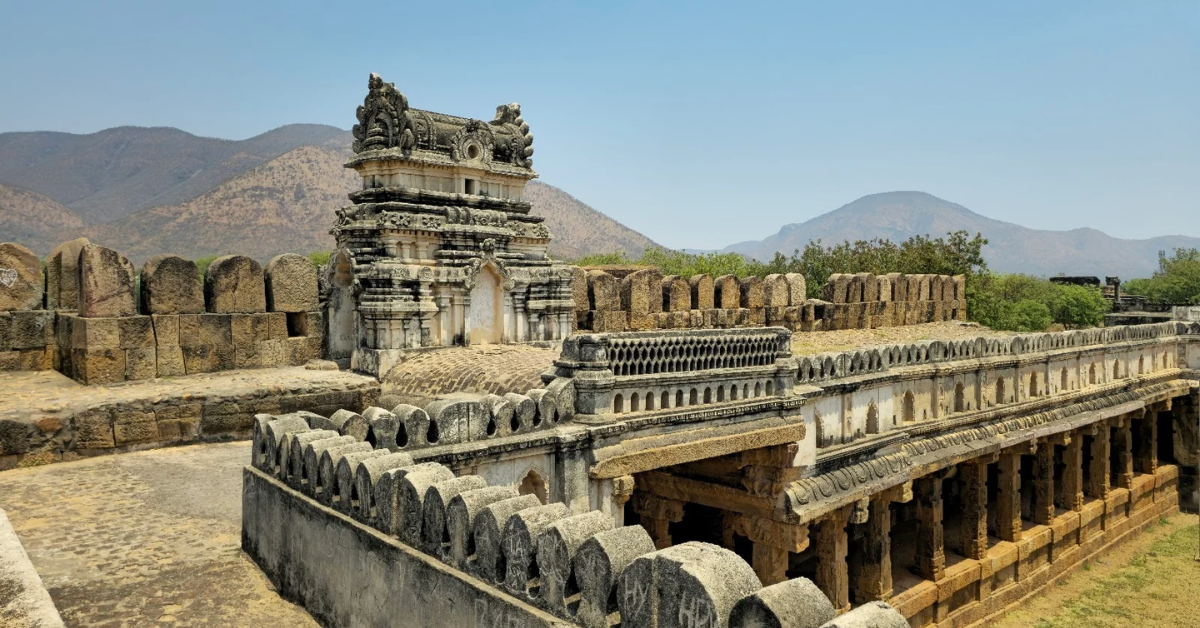
Image credits: mindtrip.
The fort is traditionally dated to 1303 AD, although the history of the site itself goes further back. An inscription associated with the Siddheswara temple dates to the 13th century, suggesting that the area was already an important religious centre before the fortifications took their later form.
Over the centuries, Sidhout passed through the hands of different rulers and regional powers. The fort was subsequently strengthened and altered, leaving behind a complex that reflects more than one period of construction. The first thing visitors notice about the fort is its imposing scale. Its stone walls enclose a large area, with 17 square bastions positioned. Ornamental pillars and carvings, including representations of Gajalakshmi, add a decorative element to what was primarily a defensive structure.
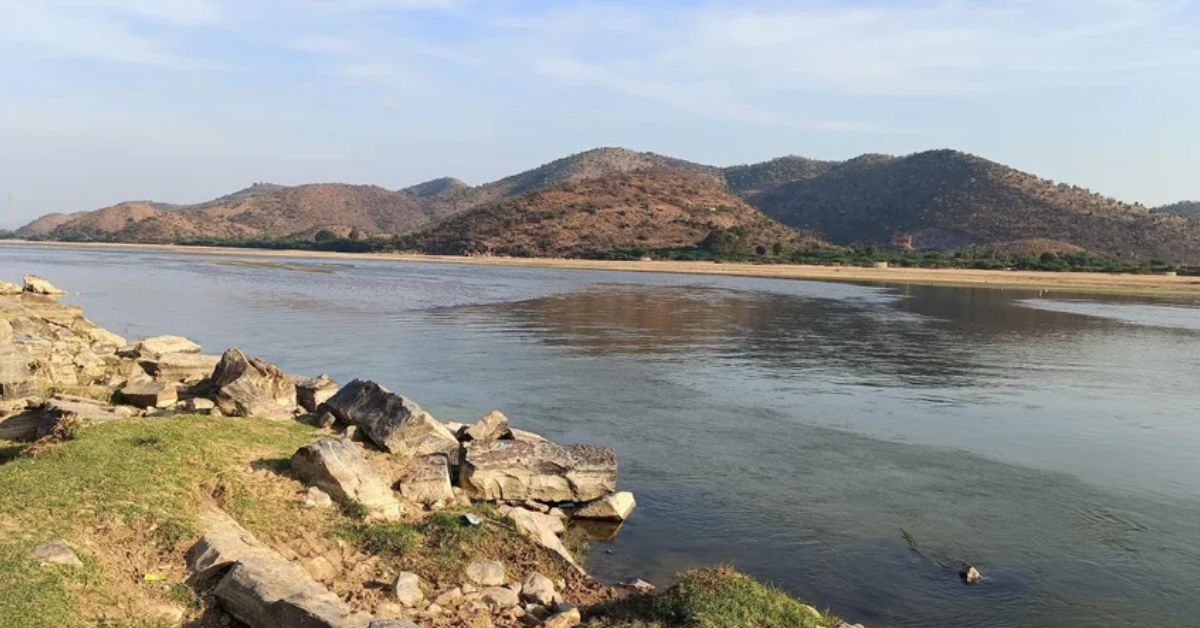
Image credits: mindtrip.
The fort’s location on the banks of the Penna River is a key part of its charm. Unlike hill forts that tower over the landscape, Sidhout blends into the region’s riverside setting, gaining natural protection while ensuring easy access to water. There is also a lesser-known passage within the fort that provided an alternate way of entering the complex when the principal entrances were closed. Features such as these reveal how the fort was designed not merely as a residence or administrative centre, but as a place that could be secured during times of conflict.
Stories Told Through Faith
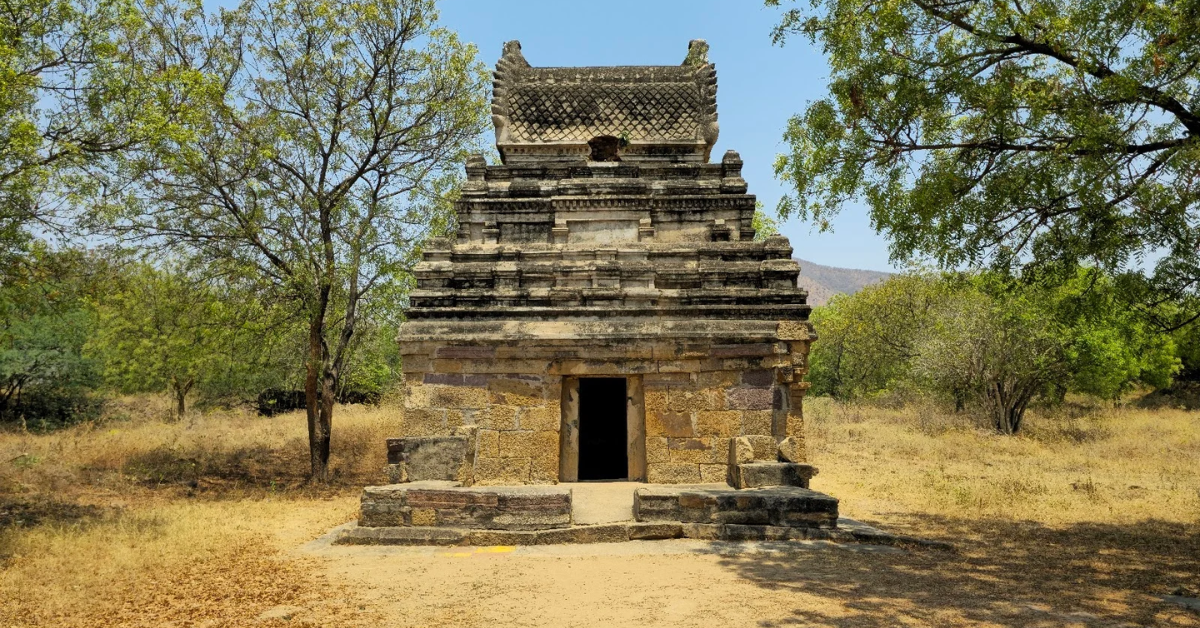
Image credits: mindtrip.
Sidhout is more than a military monument, as several temples stand within the fort complex, including the Siddheswara, Bala Brahma, Ranganayaka Swamy and Durga temples. The Siddheswara temple is particularly significant because its historical inscription provides evidence of religious activity at the site centuries before the fort assumed its later character. The presence of these temples also helps explain the religious reputation of Siddavatam. The area became associated with pilgrimage routes towards Srisailam and acquired the name Dakshina Kasi, or Southern Kasi.
For travellers interested in history and architecture, Sidhout Fort is worth including in a wider exploration of Kadapa district. Its walls tell the story of a place that evolved over centuries, while the temples within them preserve an older religious connection to the region, offering visitors an opportunity to explore a different side of Rayalaseema’s past.
Also read: Gandahati Waterfall: A Scenic Road Trip From Vizag
Stay tuned to Yo! Vizag website and Instagram for more heritage articles.