Now Reading: We Bet You Didn’t Know These 5 Fascinating Facts About Bheemili
- 01
We Bet You Didn’t Know These 5 Fascinating Facts About Bheemili
We Bet You Didn’t Know These 5 Fascinating Facts About Bheemili
If you ever drive out of Visakhapatnam and take the scenic coastal road that hugs the Bay of Bengal, you’ll eventually land in Bheemili, a sleepy seaside town away from all the chaos and city noise. At first glance, it feels like any other sleepy seaside village, framed by swaying coconut trees and crumbling colonial history. But behind its calm charm lies something far more gripping, a forgotten legacy of ancient trade routes, colonial currency, and buried nobles. So here are a few jaw-dropping facts about Bheemili that you probably didn’t know.
1. The Oldest Municipality in Andhra Pradesh, Second-Oldest in India
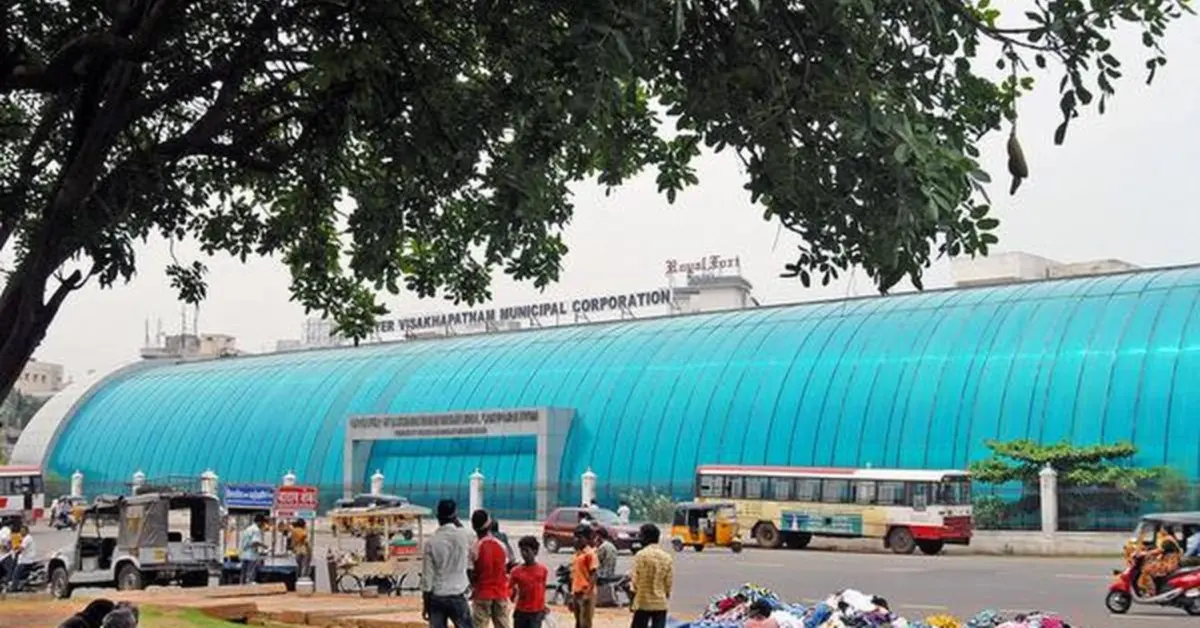
On 9 February 1861, Bheemili made history by becoming the first municipality in Andhra Pradesh and the second in India, while Chennai being the oldest in India. This independent municipal status lasted for more than 150 years before merging into the Greater Visakhapatnam Municipal Corporation in 2017.
2. Bheemili Was Once Leased for Rs 50 Per Year
In 1826, when the British Empire took control of Bheemili from the Dutch, it struck a deal to lease parts of Bheemili, which were then called Valanda Bhumulu (Hollanders’ Lands), to the Rajahs of Vizianagaram estate for an almost symbolic sum of Rs 50 per annum.
3. When The Dutch Minted Coins in Bheemili
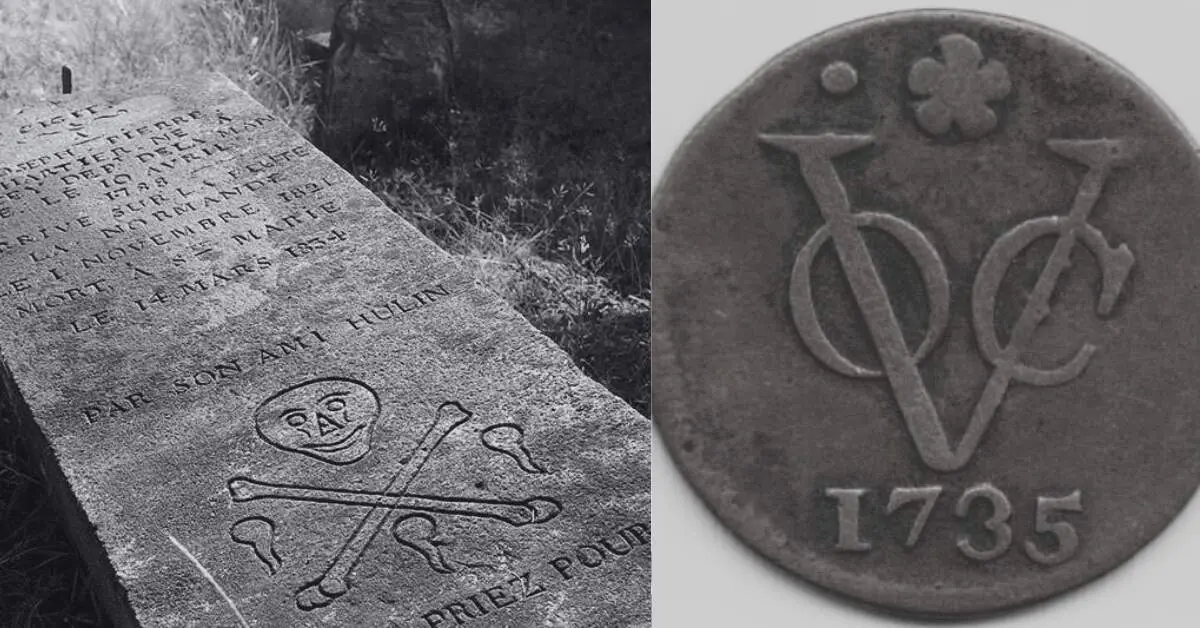
One of the interesting facts about Bheemili is that during the 17th century, when it was a prominent settlement of the Dutch East India Company. The place once actually housed a currency mint, which used to manufacture Dutch coins. However, reportedly, no territorial jurisdiction was attached to the factory, and itwas likely a commercial factory or lodge with certain privileges. Along with a mint, the Dutch had also erected a fort and factory here, which were also in ruins by the time the British took over control.
4. Pirate Legends in the Dutch Cemetery
Located in Kummaripalem, Bheemili, lies the Hollanders’ Green Cemetery, one of the oldest cemeteries in India, dating back to 1661. Inside lie over 50 tombs, some with interesting skull-and-crossbones motifs, popularly associated with pirates (although some motifs have been removed by locals). The cemetery is home to both Dutch and British tombs. Further away, close to the lighthouse is the Flagstaff Cemetery, which dates back to 1762, and is called so because of it being situated adjacent to a signal staff, which would send signals to help ships anchor ashore.
5. Bheemili: The Heritage Village?
Recognising its historic significance, the Indian National Trust for Art and Cultural Heritage (INTACH) proposed declaring Bheemili a Heritage Village. The goal was to protect its colonial-era architecture, old municipal structures, and historic cemeteries. While the proposal has not yet been fully realised, heritage enthusiasts continue to campaign for its preservation.
Read also: 6 facts about Visakhapatnam that will surprise you!
From pioneering civic administration to minting colonial currency, this list of facts about Bheemili reminds us of its fascinating past. The next time you pass through its palm-lined streets, take a moment to imagine the centuries of history that have unfolded along this shore.
Disclaimer: Some information in this article has been sourced from “Vizagapatam,” by W Francis, which provides a detailed account of Visakhapatnam under British rule.
Stay tuned to Yo! Vizag website and Instagram for more heritage-related articles.