Now Reading: Bapu and Beyond: Names That Shaped Telugu Art
-
01
Bapu and Beyond: Names That Shaped Telugu Art
Bapu and Beyond: Names That Shaped Telugu Art
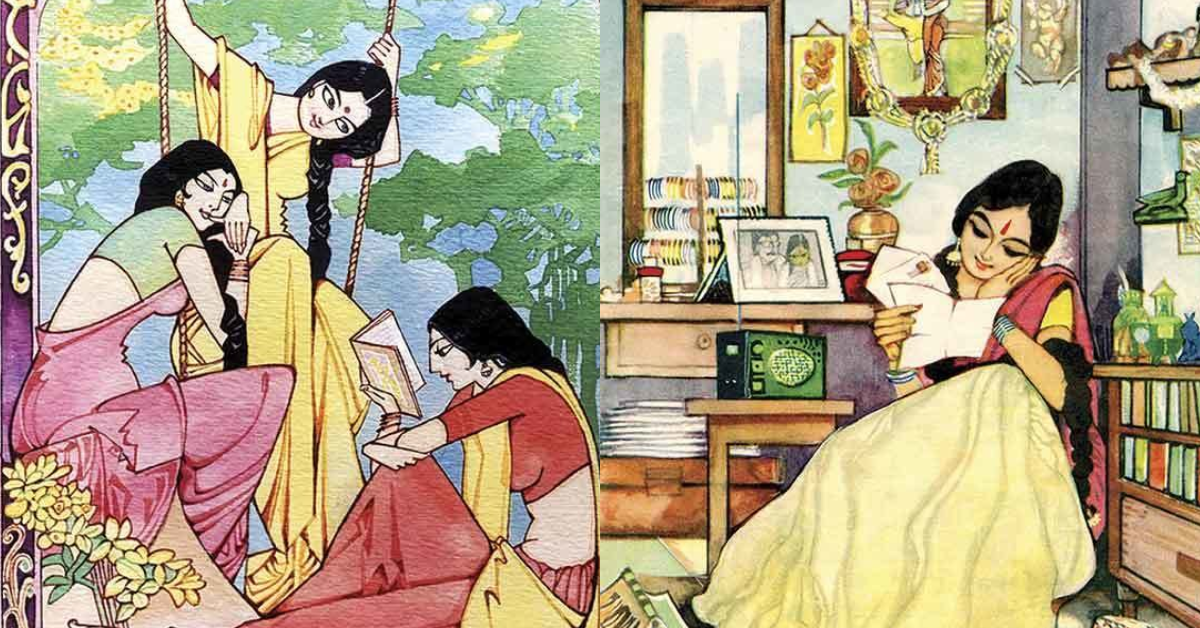
There are some Telugu artists whose work you recognise before their name. A few graceful lines, a familiar tilt of the head, the curve of a saree, expressive eyes that seem to hold an entire story, and suddenly, you know it is a Bapu Bomma. Born Sattiraju Lakshmi Narayana in Narsapuram, Bapu, as he was known by his pen name, was a painter, illustrator, cartoonist, screenwriter, designer and filmmaker whose work was deeply rooted in Telugu culture. Drawing from Indian mythology, and everyday life, he gave Telugu identity a distinct visual language. But Bapu was not an isolated phenomenon. Before and alongside him, Telugu artists across Andhra were finding their own ways to translate people, landscapes and traditions into art. Read on to discover their stories!
Bapu and Beyond: Names That Shaped Telugu Art
1. Adivi Bapiraju
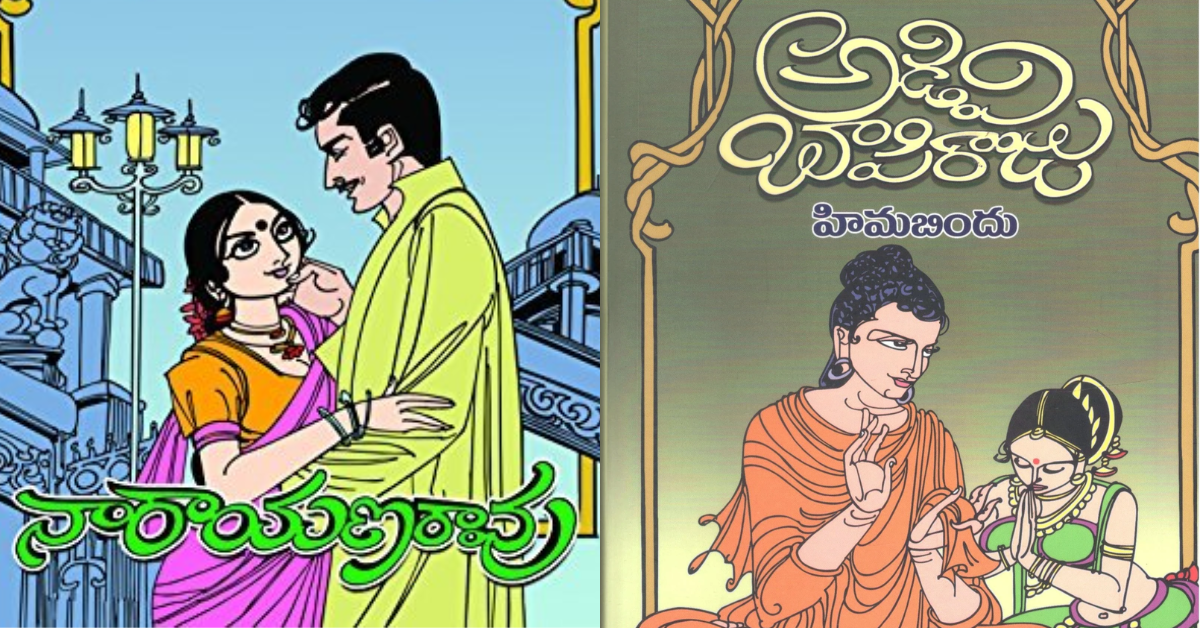
Image credits: Goodreads & Cherrypick.city
Born near Bhimavaram in 1895, Bapiraju was an artist, writer, poet, journalist, art director and much more. Travels to places such as Ajanta and Hampi exposed him to some of India’s greatest artistic traditions, while his literary interests ensured that painting never existed in isolation from storytelling. His works include Viswanatha Satyanarayana’s Kinnerasani Patalu and Nanduri’s Enki Patalu.
Viswanatha Satyanarayana’s tribute to him captured this unusual ability beautifully, describing how a line from Bapiraju could become a painting while his words could take on the quality of song.
2. Damerla Rama Rao
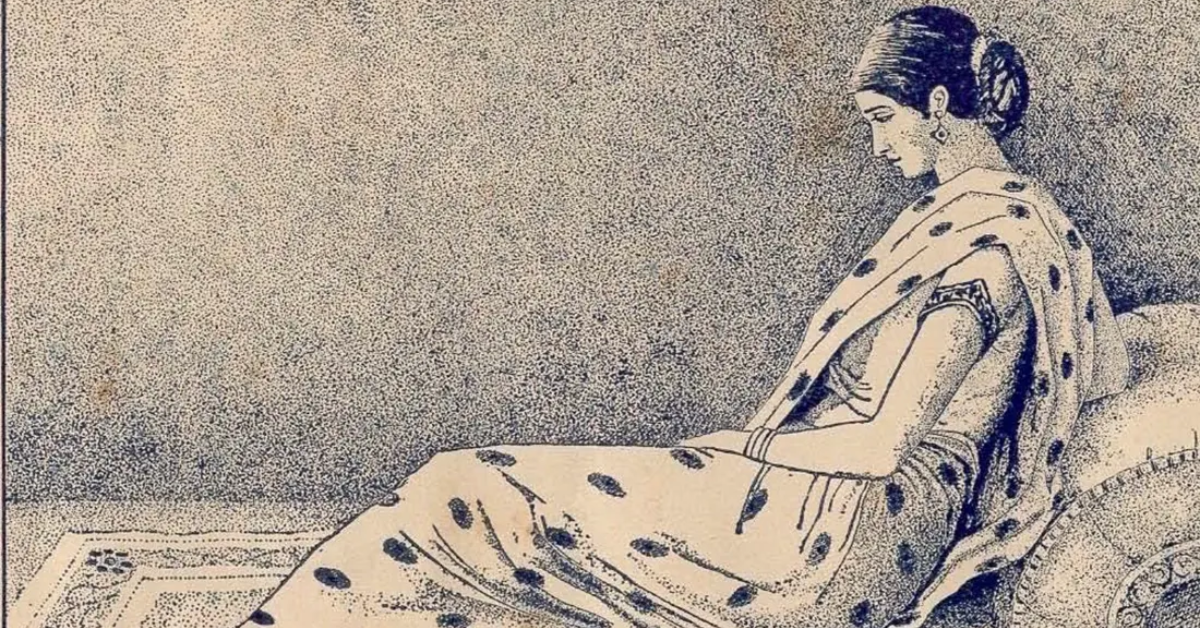
Nischinabhavamu by Damerla Satyavani (Image credits: Medium)
Born in Rajahmundry in 1897, Rama Rao showed an early talent for painting, eventually studying at the Government Arts College in Mumbai and travelling to Ajanta and Ellora to study their sculptures.
His work blended formal training with a distinctly Indian sensibility while exploring unconventional subjects for his time. His paintings, including Godavari of Eastern Ghats, Krishna Leela and Siddartha Ragodayam, were exhibited across India and abroad.
In 1923, he established the Rajahmundry Chitra Kalashala, trained young artists and helped organise a national-level art exhibition in the city. Though he died in 1925 at just 28, his legacy lives on through the collection at the Damerla Art Gallery in Rajahmundry.
3. Jonnalagadda Gurappa Chetty
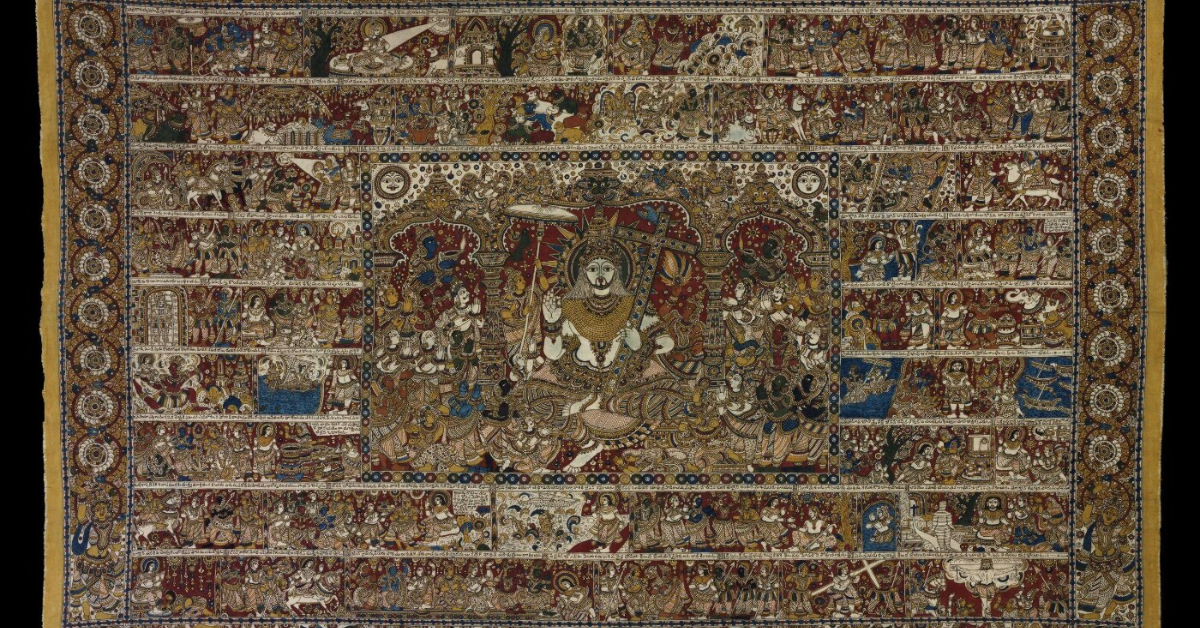
Image credits: Victoria and Albert Museum, London
Born into a family of Kalamkari artists in 1937, Gurappa Chetty learned the craft from an early age. Though he began as a schoolteacher, he continued painting, eventually dedicating his artistic life to Kalamkari and helping carry the traditional art form. His contributions earned him several honours, including the Padma Shri in 2008.
He also wrote extensively about the art & craft, authoring Telugu works that explored mythology and the traditions of Kalamkari.
4. Thota Vaikuntam
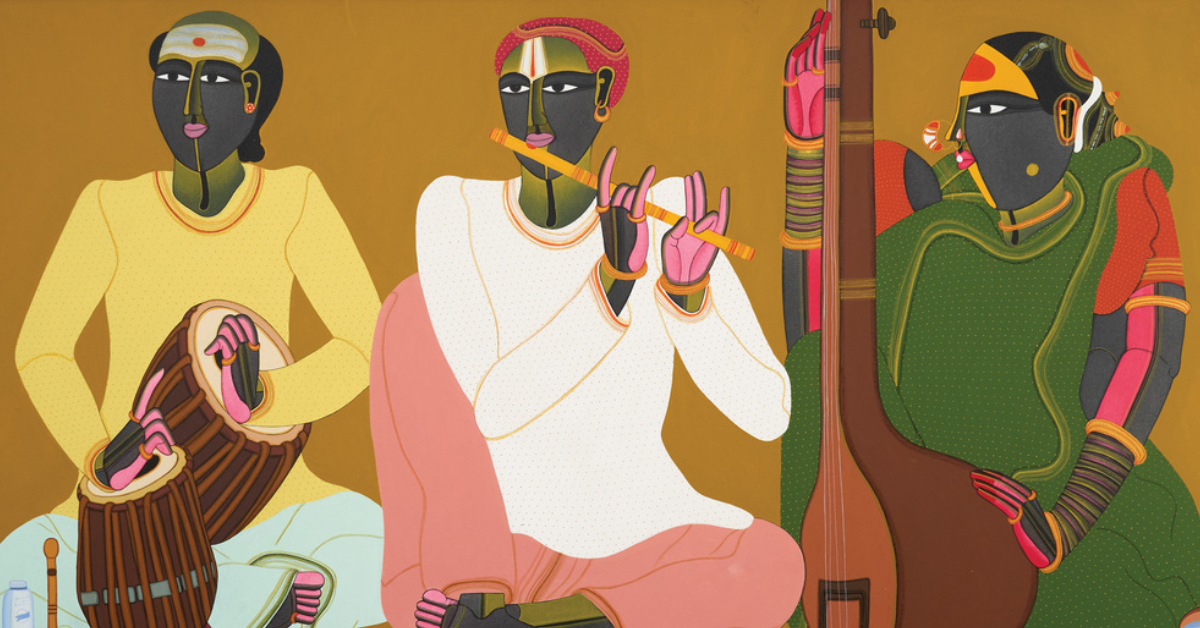
Image credits: AstaGuru
Vaikuntam’s subjects are rooted in rural Telangana, particularly its people and everyday life. His journey towards this distinctive visual language was shaped by his studies at the Faculty of Fine Arts at Maharaja Sayajirao University of Baroda, where the artist K.G. Subramanyan encouraged him to look towards his own roots rather than simply imitate Western traditions.
Women, in particular, became central to his work with their sarees, jewellery, expressions and postures transforming ordinary moments into striking compositions.
5. Vaddadi Papaiah
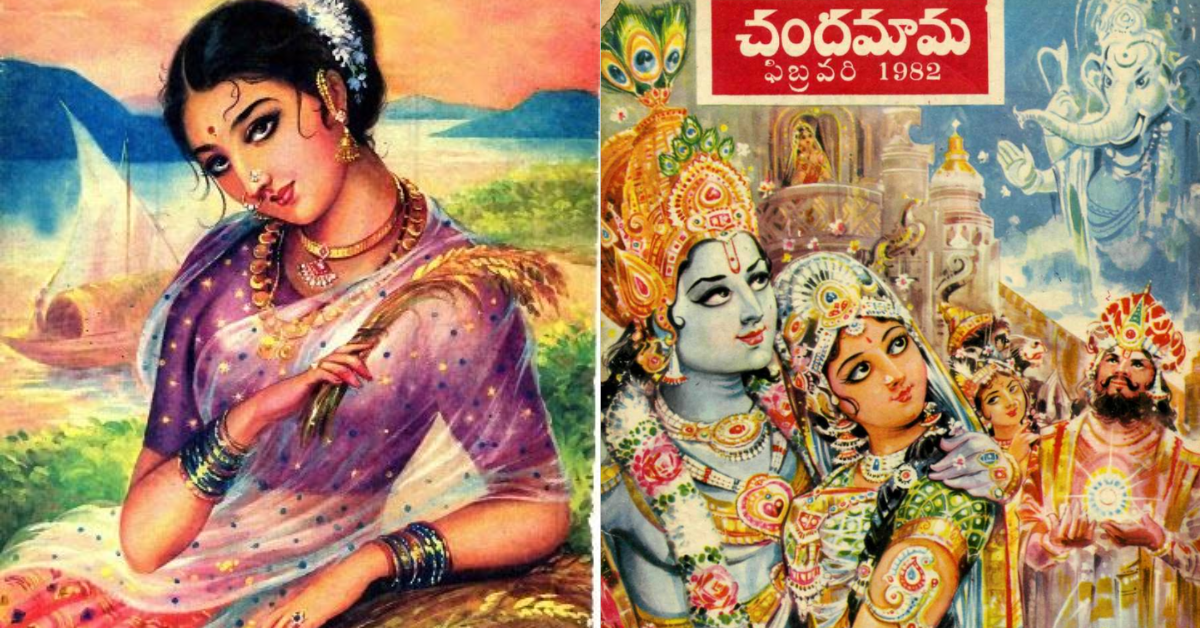
Image credits: Reddit
Born in Srikakulam in 1921, Papaiah’s early years were shaped by his father’s influence as a drawing teacher and the mythology of the Ramayana and Mahabharata. A painting by Raja Ravi Varma, Kodanda Rama, also left a lasting impression on him as a child.
His first published painting appeared in Andhra Jyothi in 1942. Later, he became closely associated with Chandamama, producing illustrations and covers that brought characters vividly to life for readers. He also contributed to publications including Yuva, Andhra Patrika, Bharathi, and Swathi. He also wrote stories connected to mythology, and created works inspired by Indian music and literary themes.
It is tempting to place all these artists under one umbrella and call it Telugu art. But their techniques were different, as were the worlds they inhabited. They found inspiration in local landscapes, literature, temples and stories passed down through generations. Together, their work shows that Andhra’s visual identity was not simply recorded, but drawn, painted, printed, stitched and coloured into existence.
Also read: Patrick Russell: The unknown artist and famous naturalist of Vizag
Stay tuned to Yo! Vizag website and Instagram for more such articles.