The 1980s were a decade of quiet but profound transformation for Vizag. Industrial expansion and archaeological revelations unfolded side by side, adding a new chapter to Vizag’s history and giving the city a fresh perspective on its deep-rooted past while nodding toward its future. Read on to discover some of the defining moments that shaped this pivotal decade.
The early 1980s saw Vizag take its first steps towards vertical living. The foundation for Prince Apartments, located behind the Kali Temple on Beach Road, was laid during this period. The project marked the beginning of multi-storied apartment culture in the city.
Long before Vizag’s cafe culture took off, The Pink Elephant in Srinagar Colony was already a popular social spot. By 1980, the iconic resto-bar had expanded its seating to the terrace, accommodating up to 100 patrons and further cementing its place in the city’s social scene.
Before commercial towers began reshaping the skyline and the coast had a much quieter appeal, Beach Road gradually developed its distinctive character under the Visakhapatnam Urban Development Authority (VUDA) as it guided the city’s expansion.
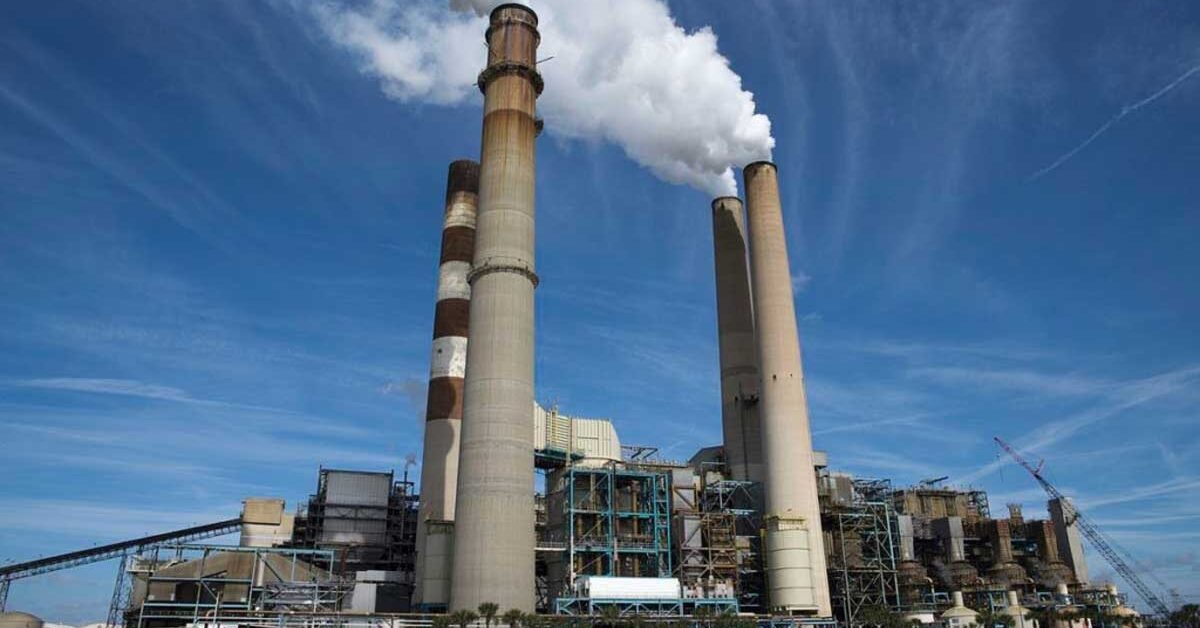
After years of public agitation, work on the Visakhapatnam Steel Plant gained significant momentum in the early 1980s. In 1982, Rashtriya Ispat Nigam Limited (RINL) was established to take control of the project, which would eventually grow into one of the largest single-site steel plants in Asia.
As the steel plant grew, so did an entire township around it. The construction of Ukkunagaram brought engineers, technicians and workers from across the country to Vizag, which contributed to the city’s increasingly cosmopolitan character.
For a long time, the Old Town and areas around Jagadamba Junction and the Old Post Office formed the heart of Vizag. In the 1980s, however, development of the RTC Complex and the expansion of residential neighbourhoods such as MVP Colony, pushed the city northwards.
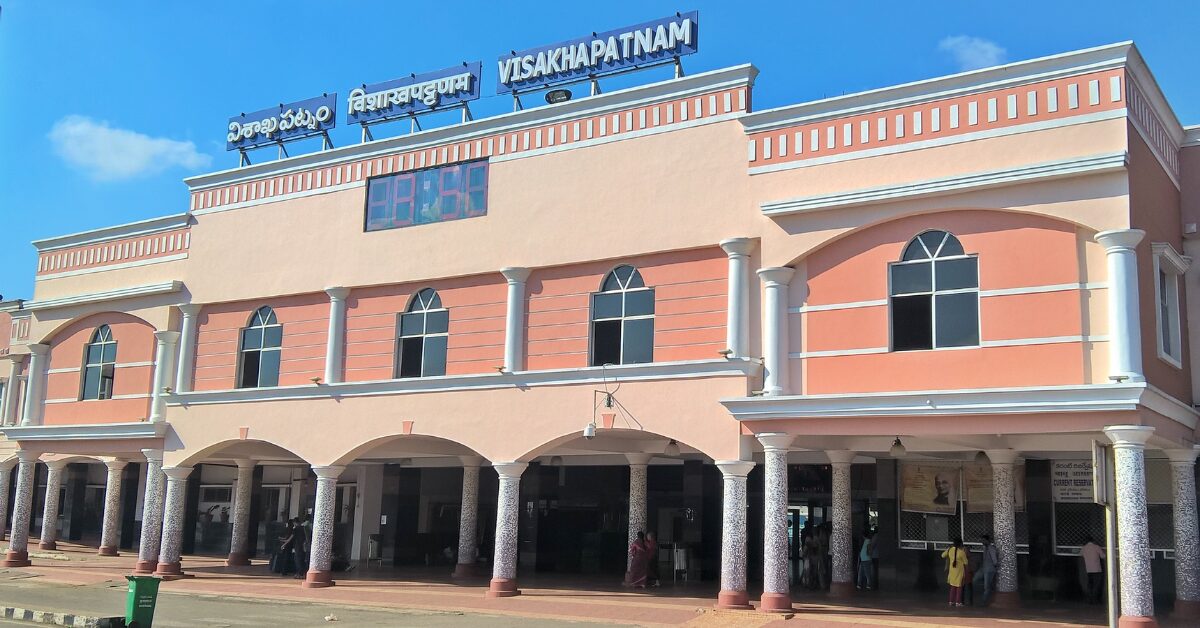
In 1987, Waltair Railway Station was officially renamed Visakhapatnam Railway Station during the tenure of Mayor D.V. Subbarao, aligning the city’s railway hub with its civic identity.
Archaeological excavations carried out between 1982 and 1987 revealed the remains of an important Buddhist settlement, including a grand stupa, ancient pottery and Roman coins, shedding new light on Vizag’s history. The discoveries highlighted the region’s significance as a Buddhist centre dating back to the 3rd century BCE.
Though the 1980s may seem like a distant chapter in Vizag’s history, many of the changes that took place during the decade quietly laid the foundation for the city we know today, one that continues to reinvent and reimagine itself.
Also read: 1970s Vizag: 10 Iconic Moments That Defined the Decade
Stay tuned to Yo! Vizag website and Instagram for more such articles.
Visakhapatnam, where pollution levels are rising and causing concern, stands 21st among cities with a…
A new device has come in handy for the GVMC to repair potholes on roads…
Visakhapatnam South MLA Vamsi Krishna Srinivas has said the alliance government is keen on making…
After successfully facing the 'Agnipareeksha', Shiva Srishti Vyakaranam of Visakhapatnam stepped into the fun house…
Undoubtedly, the scene for Vizag social clubs is changing, but at a glacial pace. While…
When you hop aboard the nostalgia train and travel back to your childhood years, one…